
KYOCERA Document Solutions

“FOREARTH” adopted for ANREALAGE’s Paris Fashion Week AUTUMN/WINTER 2026-27 collection, presented in collaboration with “GHOST IN THE SHELL”
KYOCERA Document Solutions Inc. (President: Takashi Nagai) announces that prints produced with its sustainable inkjet textile printer “FOREARTH” were used on garments in the collection presented by fashion brand ANREALAGE at Paris Fashion Week AUTUMN/WINTER 2026-27, held on Tuesday, March 3, 2026.
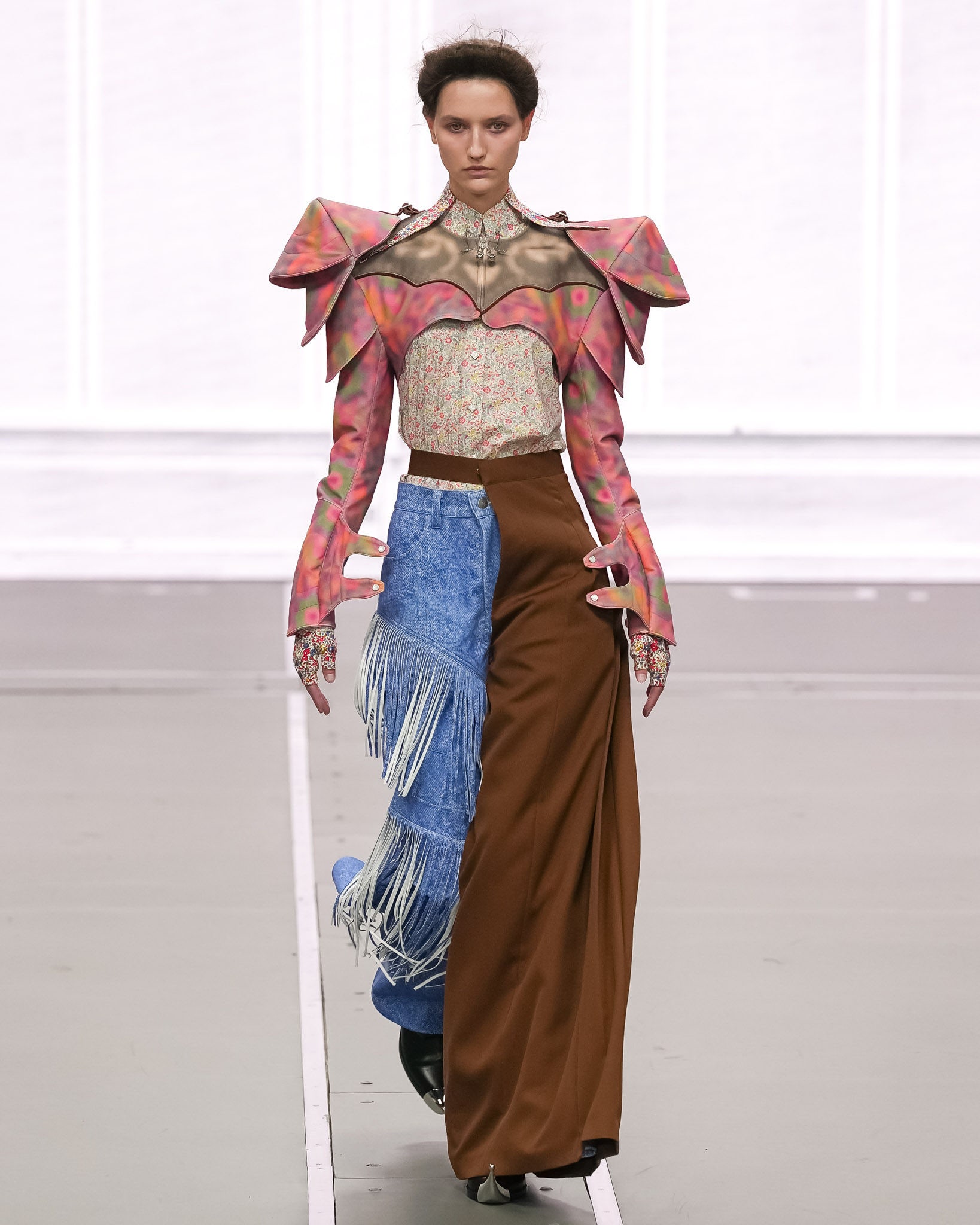
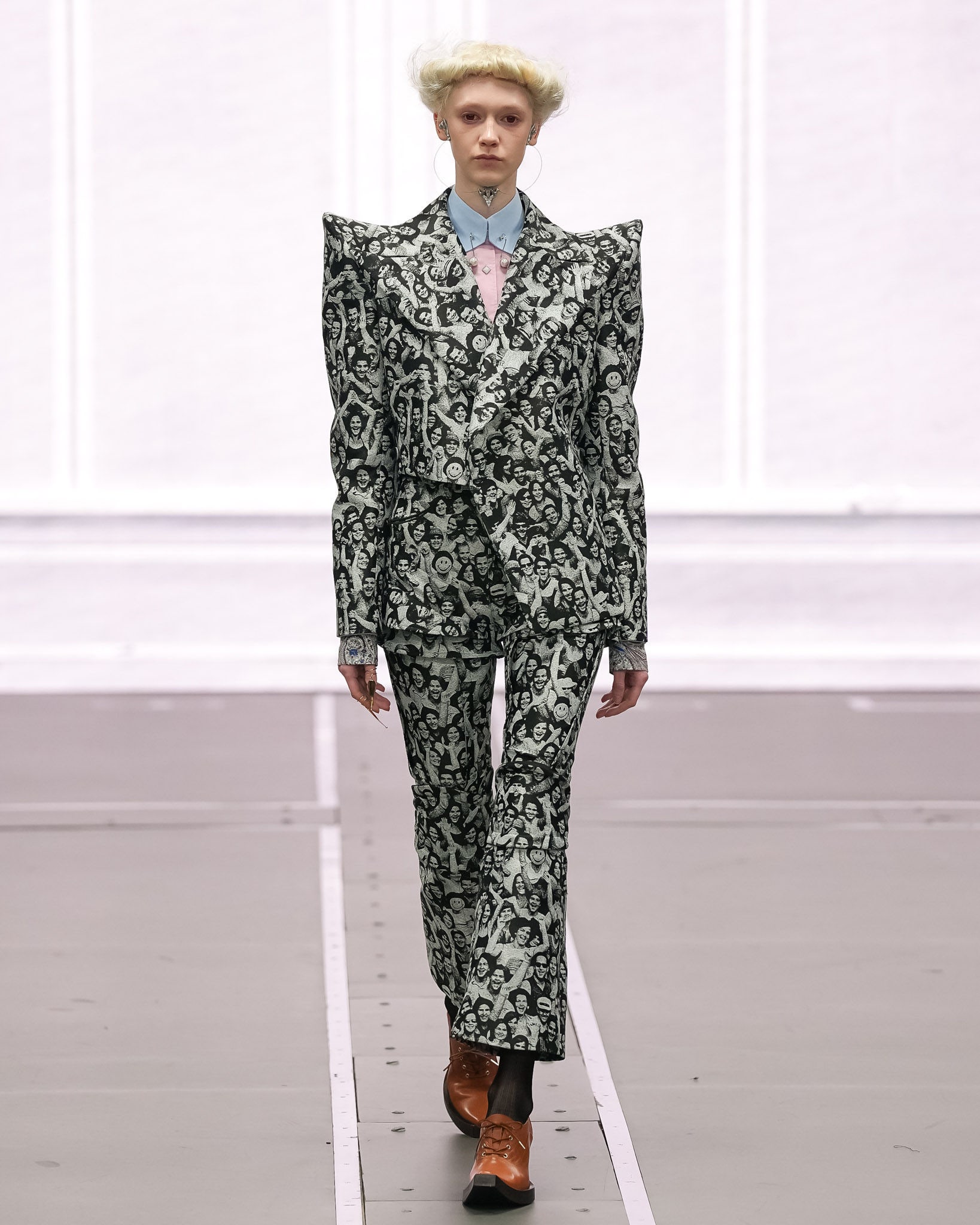
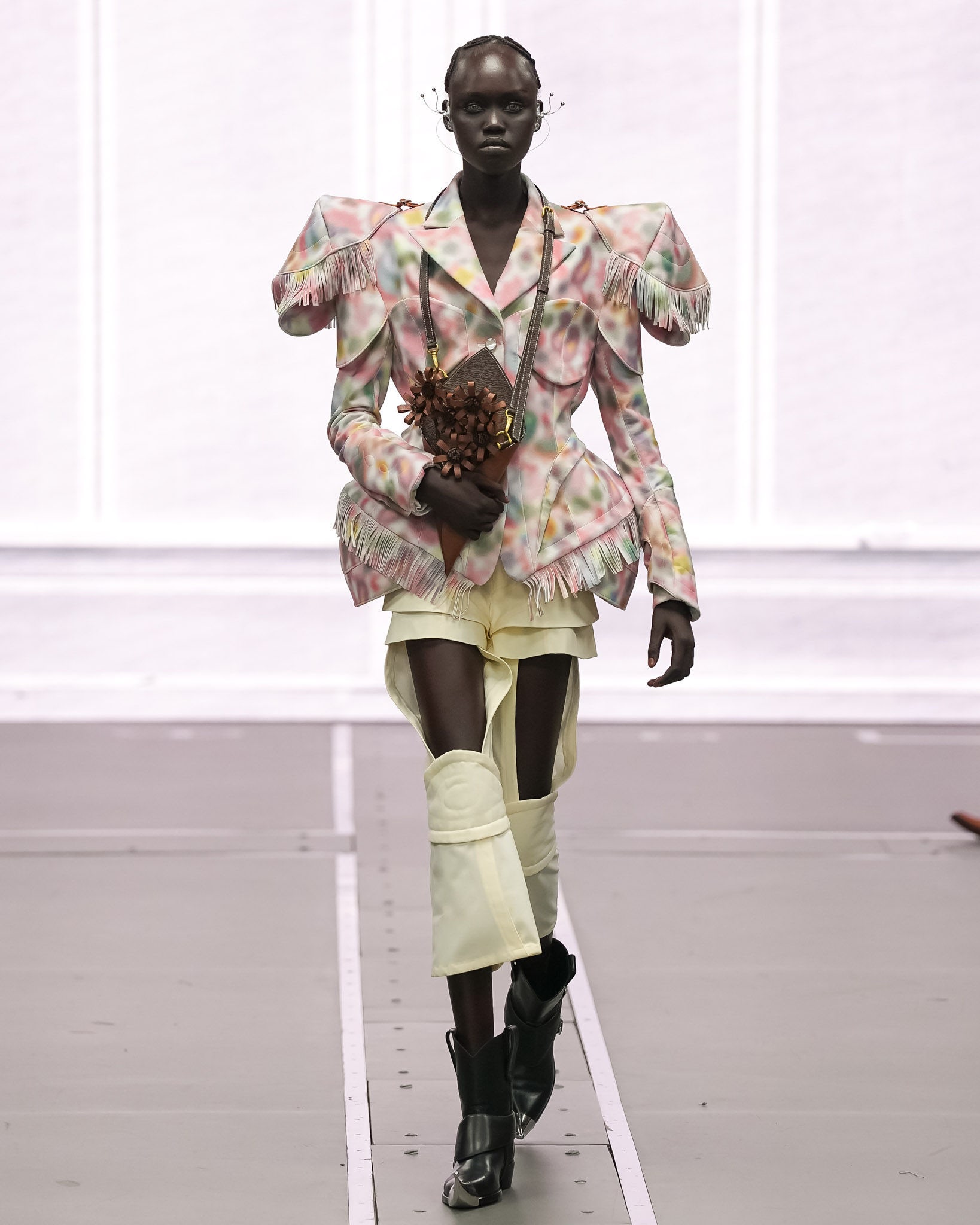
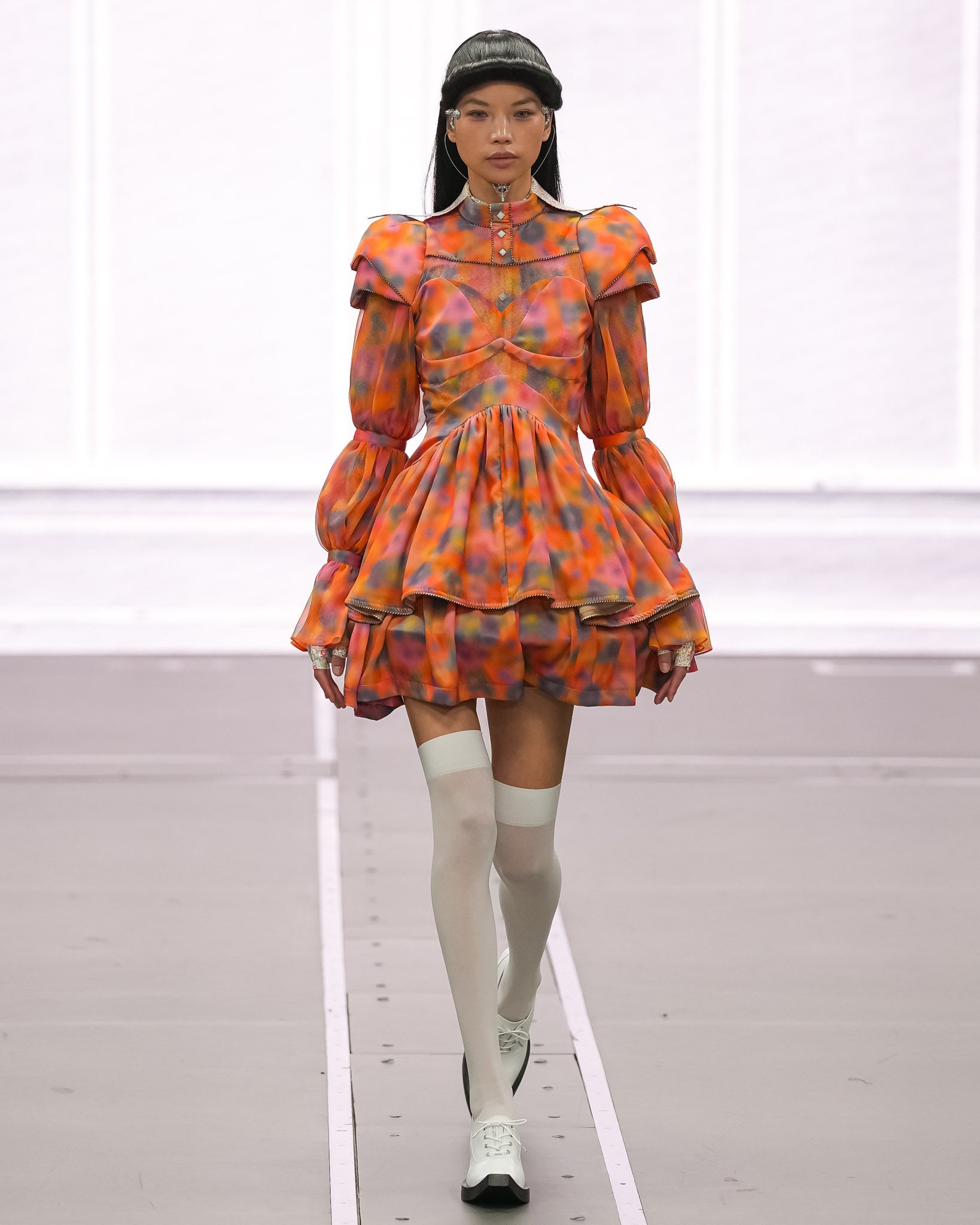
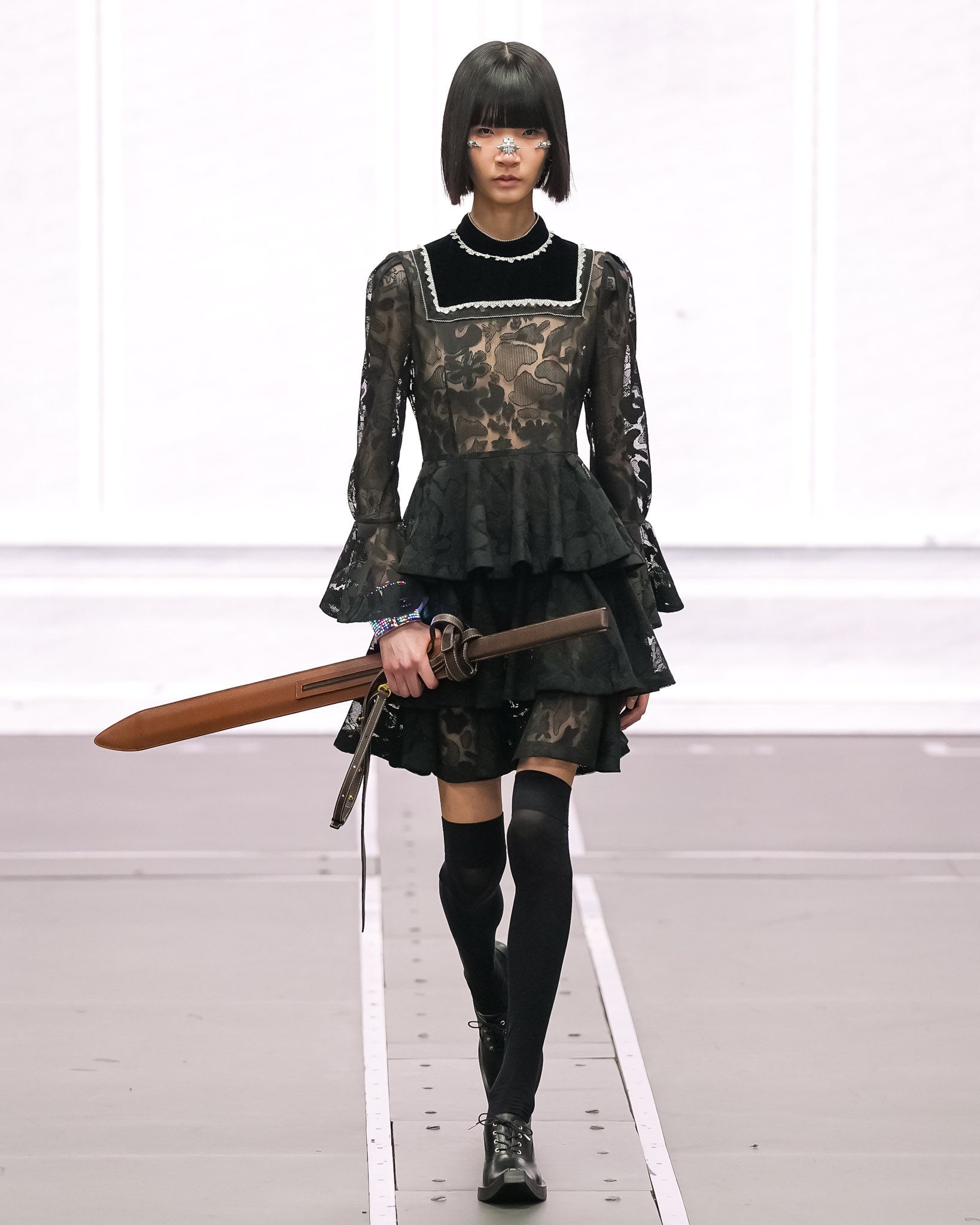
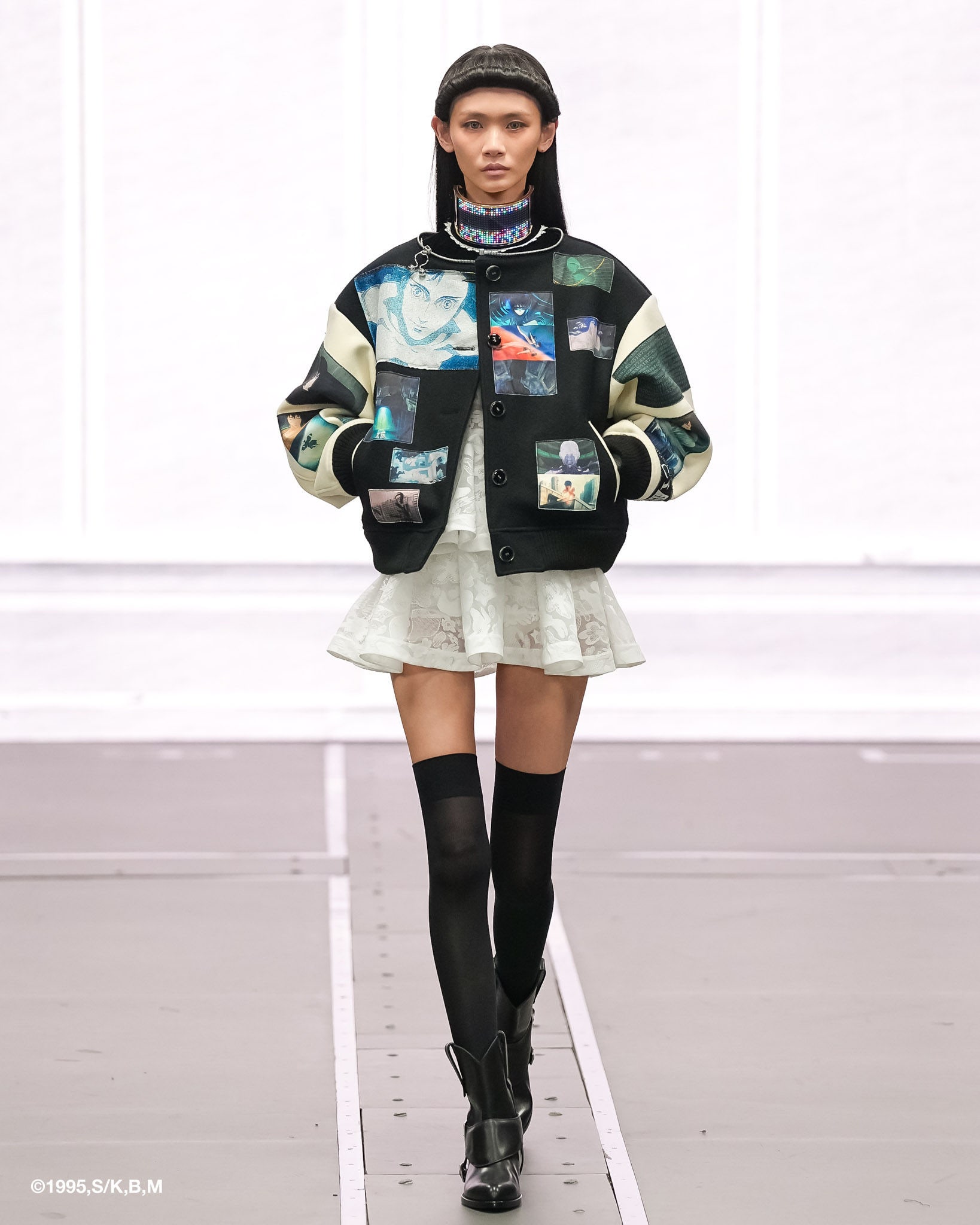
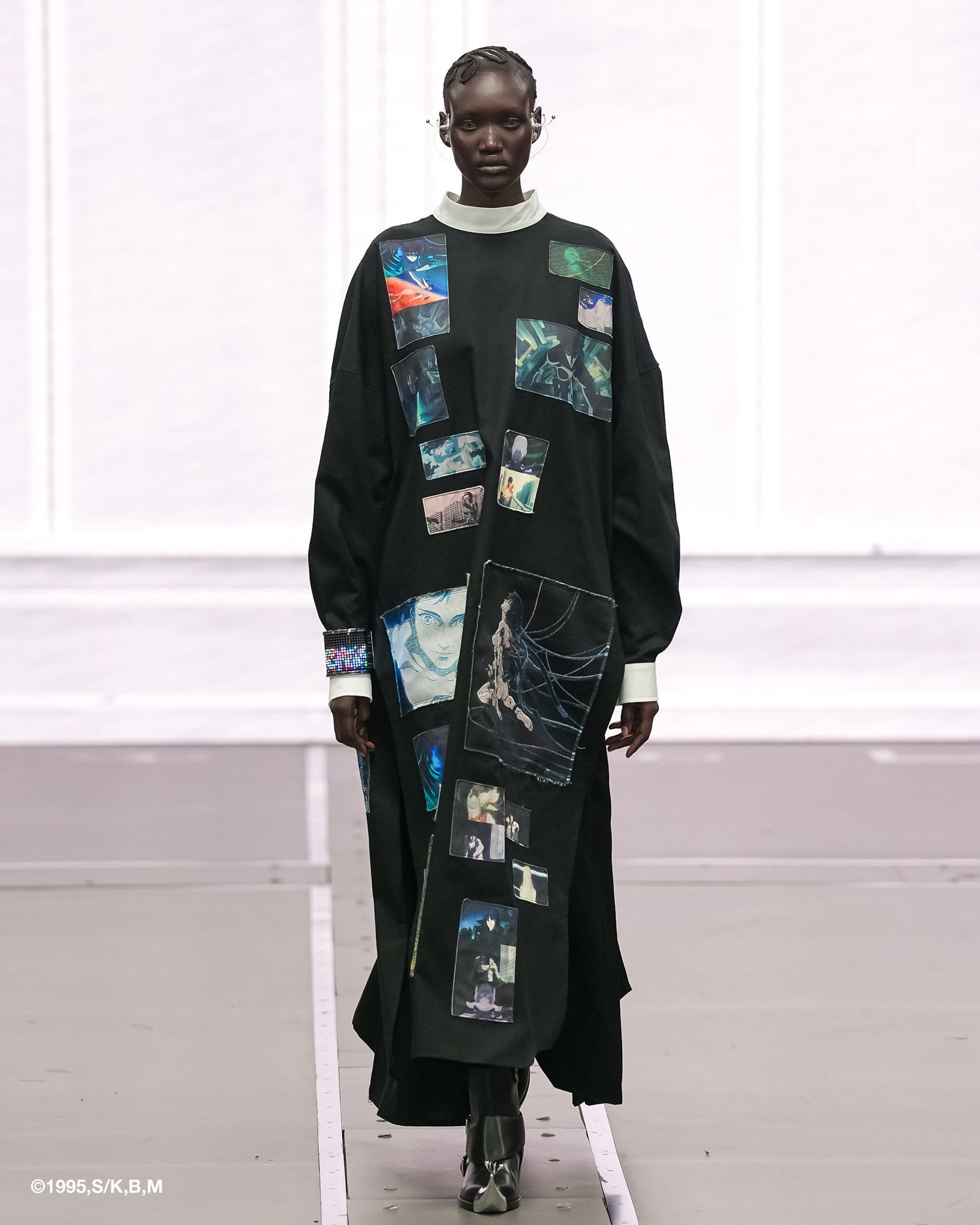
The collection comprised 27 looks, 15 of which featured FOREARTH prints. Since its 2024 collection, ANREALAGE has adopted FOREARTH for fabric printing and focused on sustainable printing while pursuing expressions using a wide variety of textiles. By leveraging FOREARTH’s ability to complete the printing process in a short time, ANREALAGE has continued to challenge new forms of expression across diverse materials under a production process unconstrained by the limitations of fabric or technique. This marks the fifth collaboration between Kyocera and ANREALAGE.
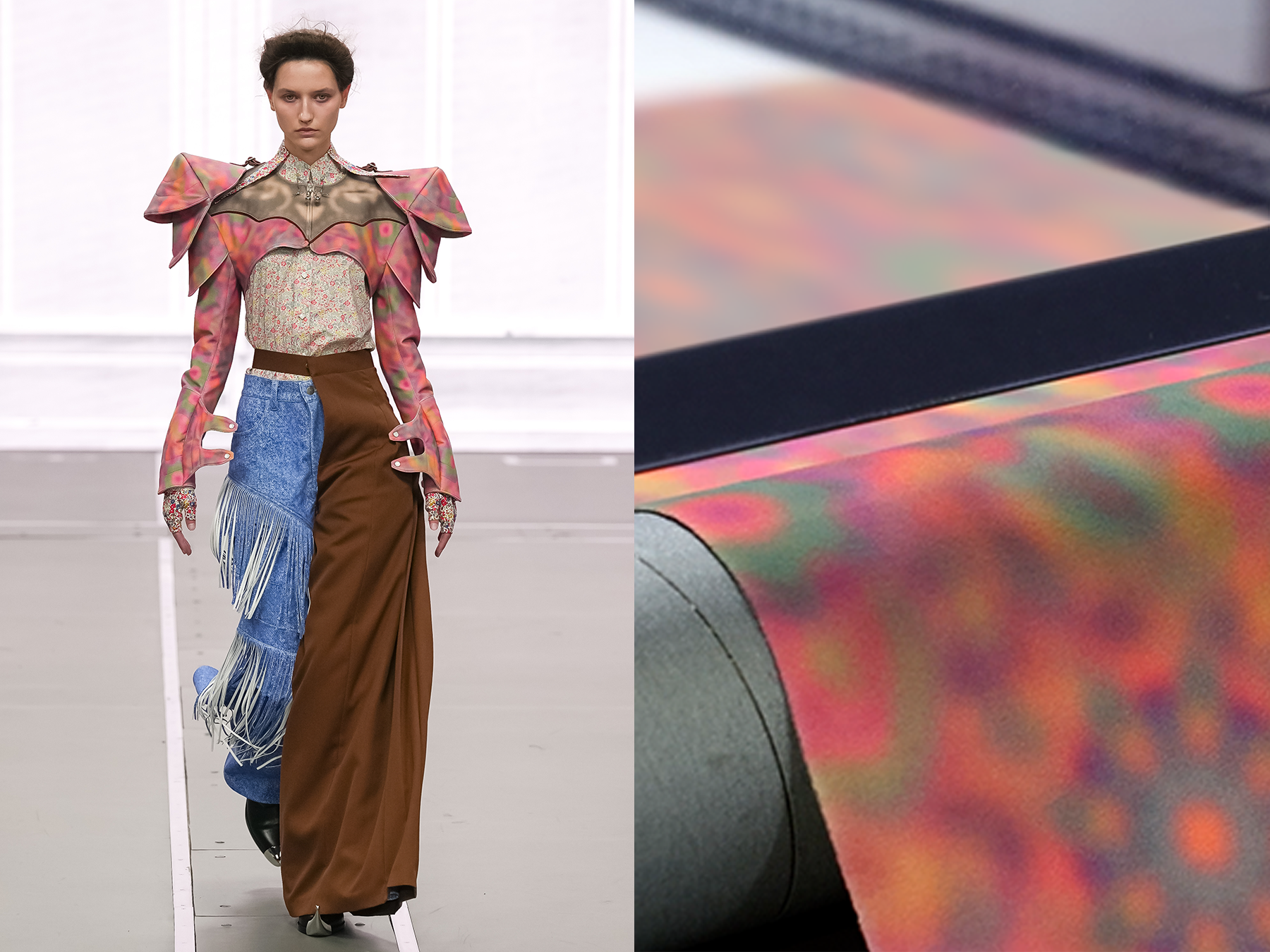
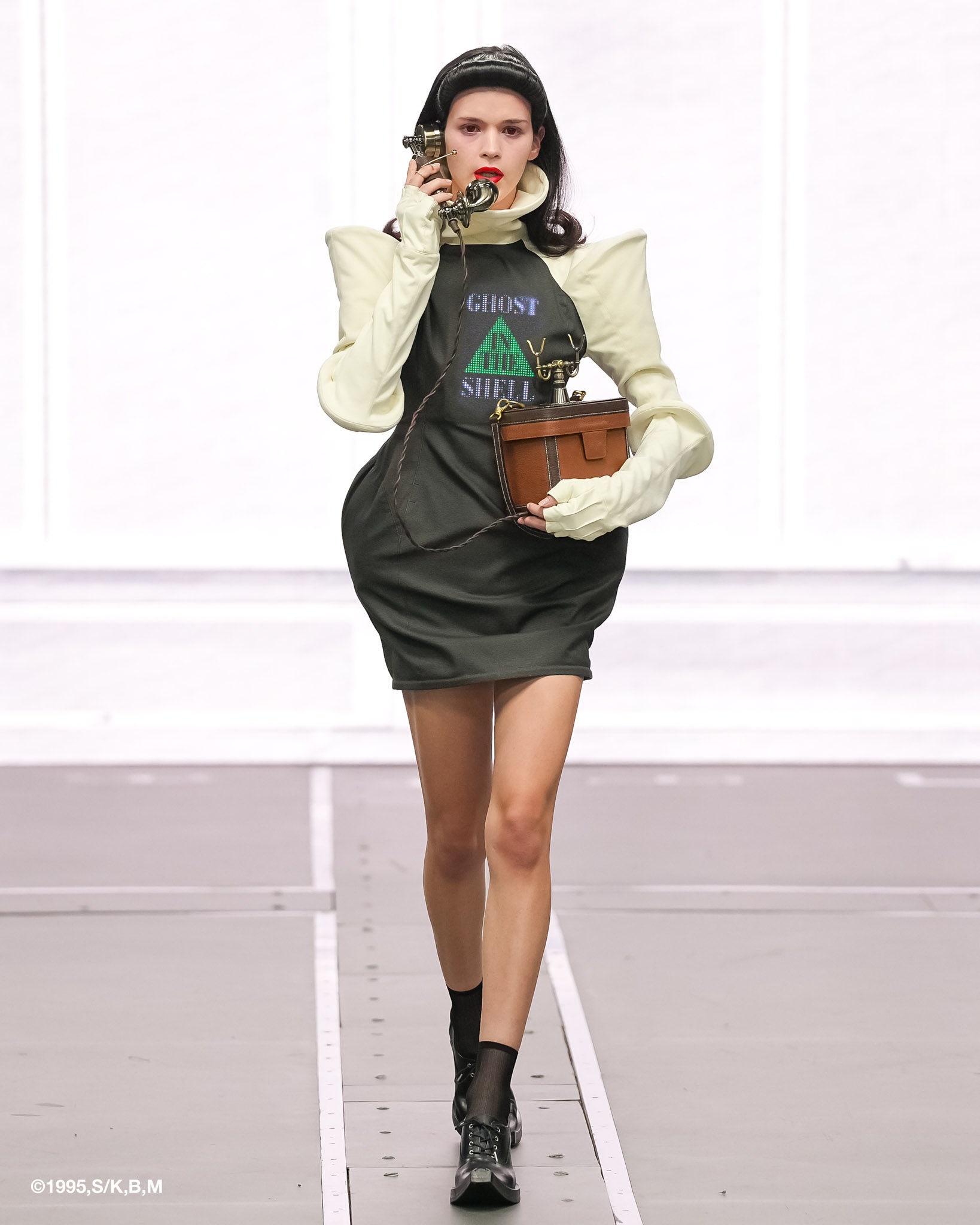
The theme of ANREALAGE’s latest collection is “GHOST.” Starting from questions such as “present yet invisible” and “between presence and absence,” the collection, created in collaboration with “GHOST IN THE SHELL”, took inspiration from the optical camouflage suits appearing in the work to explore invisibility and the blurring of contours. Garments change their outlines depending on viewing distance and angle, producing a visual experience in which they appear to assimilate with the surrounding landscape. Presented not merely as clothing but as “information media” that transform to blend into urban and informational spaces, ANREALAGE’s cutting-edge expressions drew global attention.
Supporting ANREALAGE’s sophisticated and delicate expressions was Kyocera’s sustainable inkjet textile printer, FOREARTH. The printer employs proprietary technology that substantially streamlines conventional dyeing processes, including pre- and post-treatment, enabling high-resolution prints using only printing and drying. Under the “Water Free Concept,” which minimizes water use during printing, FOREARTH achieves both a reduced environmental impact from effluent and expressive capabilities such as delicate tonal gradations and multi-color transitions.
For this collection, which demanded diverse graphics, subtle tonal rendering, and consistent color reproduction across different materials, effects traditionally achieved with water—such as bleeding and soft blurring—were reproduced without water-based processes. The team also explored ways to alter the perceived character of materials, for example creating the look of denim or leather on different substrates through printing.
FOREARTH’s digital printing technology faithfully reproduces designers’ intentions while also offering flexibility for small production runs and short lead times, realizing a “Creative Free” approach to manufacturing that does not constrain creativity.
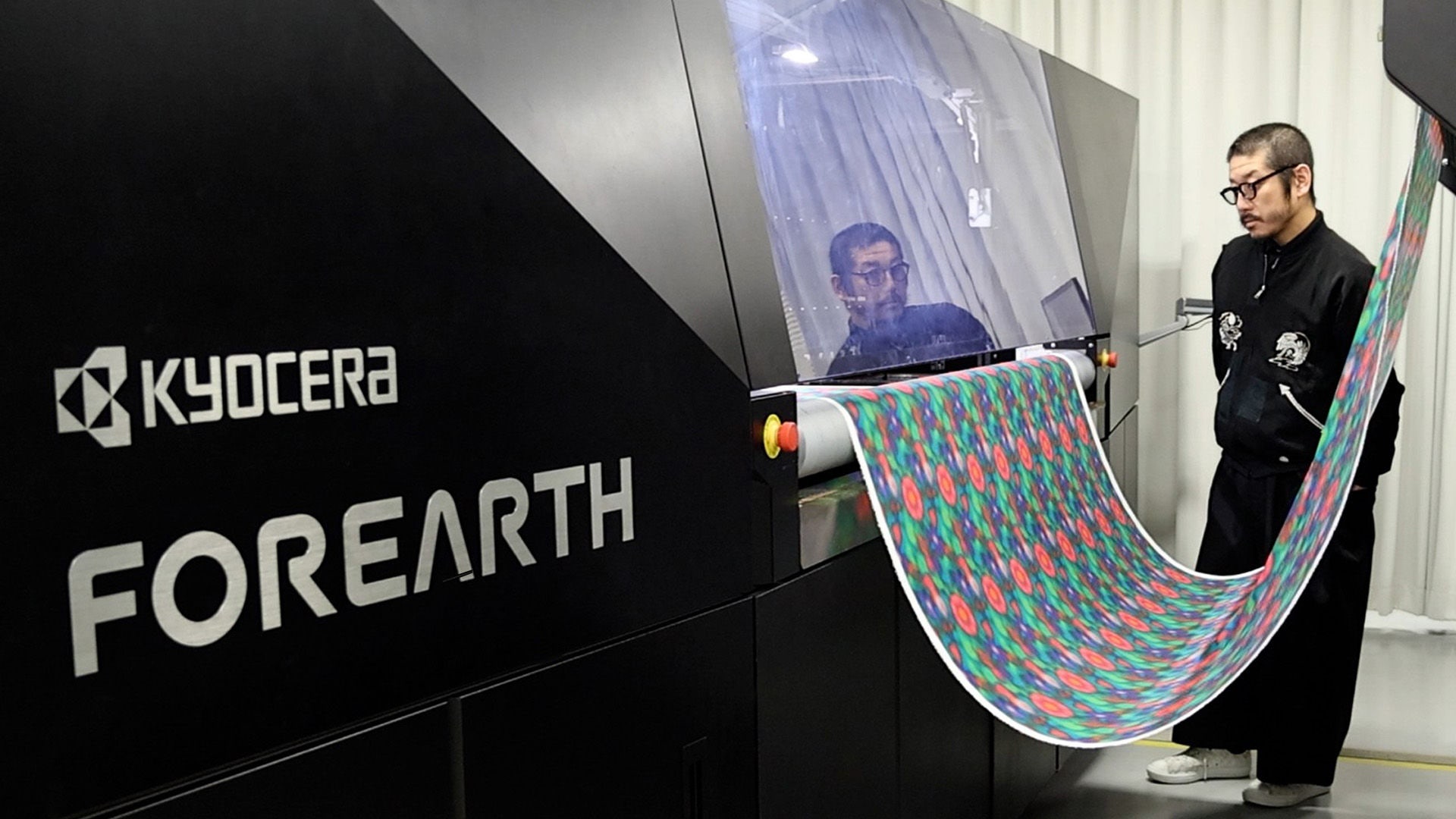
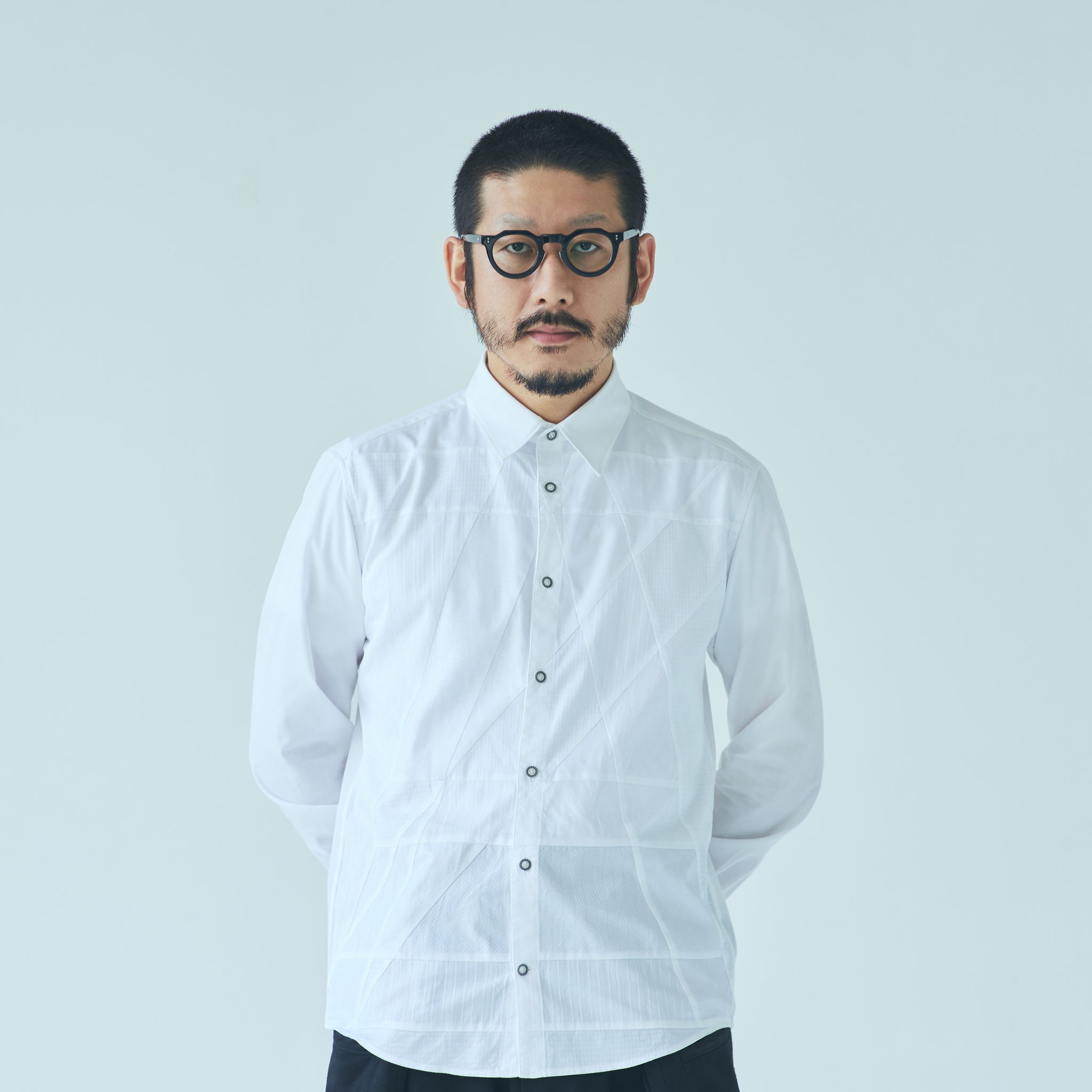
■Comment from ANREALAGE Designer Kunihiko Morinaga
Through ongoing collaboration with Kyocera, I have come to see FOREARTH not as a technology that limits expression by reducing water use, but as a tool that expands creative possibilities. It has opened up the idea of using printing to reproduce textures and material feels once thought achievable only with water or specific substrates.
Regarding the collection’s emblematic motif—floral patterns without defined outlines—we normally use water to blur edges in a watercolor-like way. This time, we attempted to recreate the bleeding and soft focus long associated with watercolor using a printing process that minimizes water. From a distance, floral outlines emerge; as you approach, those outlines dissolve and the forms become ambiguous. The result is a floral motif that appears and disappears with viewing distance, much like a ghost.
By printing a denim texture onto UltraSuede, we created a textile that looks like denim at first glance but feels like suede to the touch. Unlike conventional denim, which frays at cut edges, the suede substrate allowed us to realize the sharp design expressions we aimed for. We also reproduced a leather-like look on a faux-leather material using FOREARTH printing: from afar it reads as real leather, but it is actually a light-transmitting special material whose leather appearance is achieved by print. We even produced a look in which the main “GHOST IN THE SHELL” logo appears within a Western-style leather-look that transmits LED light.
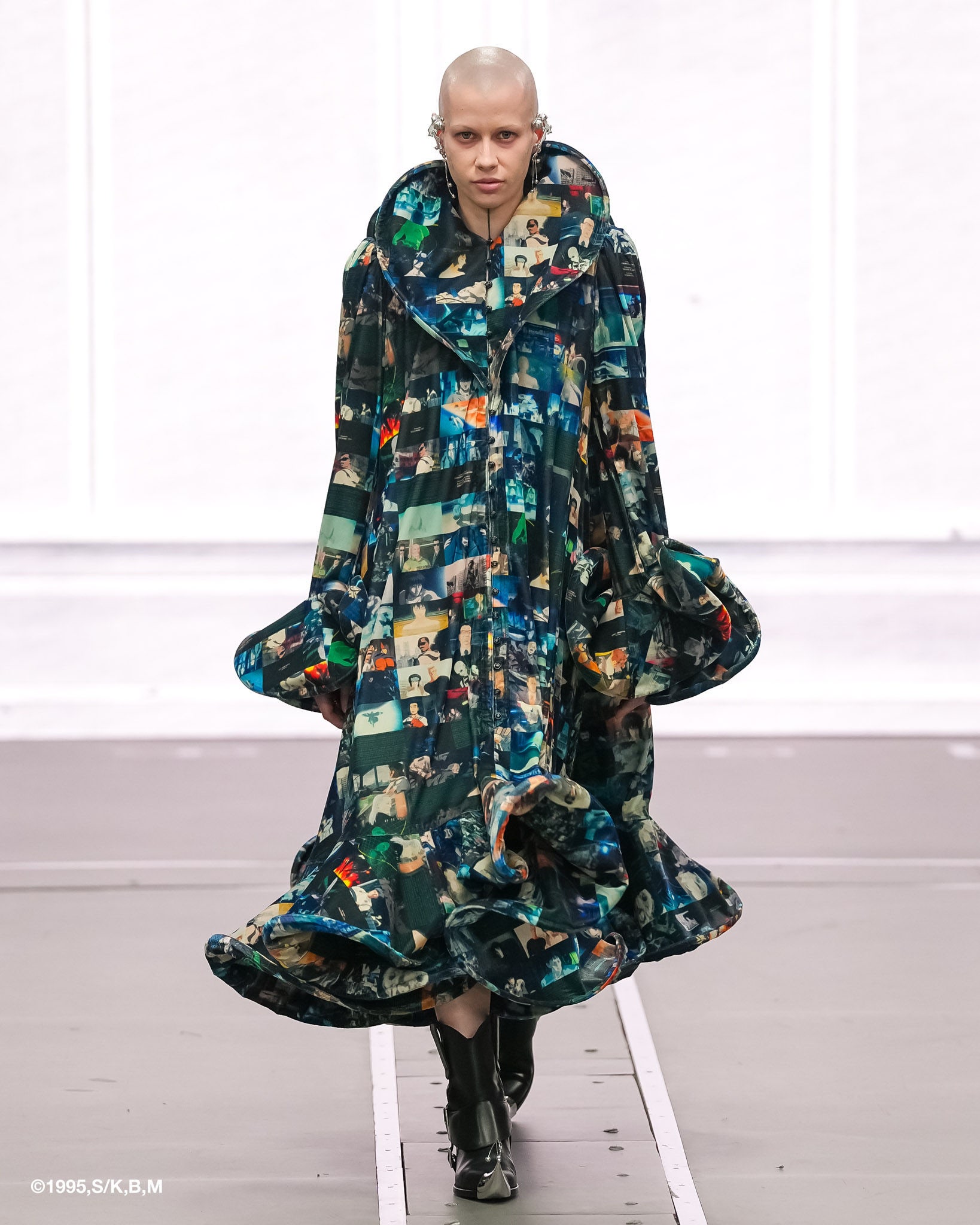
We also took on the challenge of printing the same pattern across different materials and thicknesses. Individual garments combine materials such as silk satin, velvet, and silk crepe, and we made delicate adjustments to deliver consistent texture and color across these substrates. Cinematic expressions were achieved as well—for example, placing over 250 scenes from the 1995 “GHOST IN THE SHELL” film within velvet using FOREARTH printing.
Over the past two and a half years of working with FOREARTH, I feel it has the potential to significantly change the environmental impact of printing technologies, particularly regarding water resources. The intersection of creation, technology, and sustainability is a central theme for ANREALAGE today, and I believe that expanding collaborations with FOREARTH across the fashion industry can be a catalyst for reshaping the future of manufacturing.
Click here for more information about the inkjet textile printer "FOREARTH”
<List of collections presented at Paris Fashion Week>
 1
1
 2
2
 3
3
 4
4
 5
5
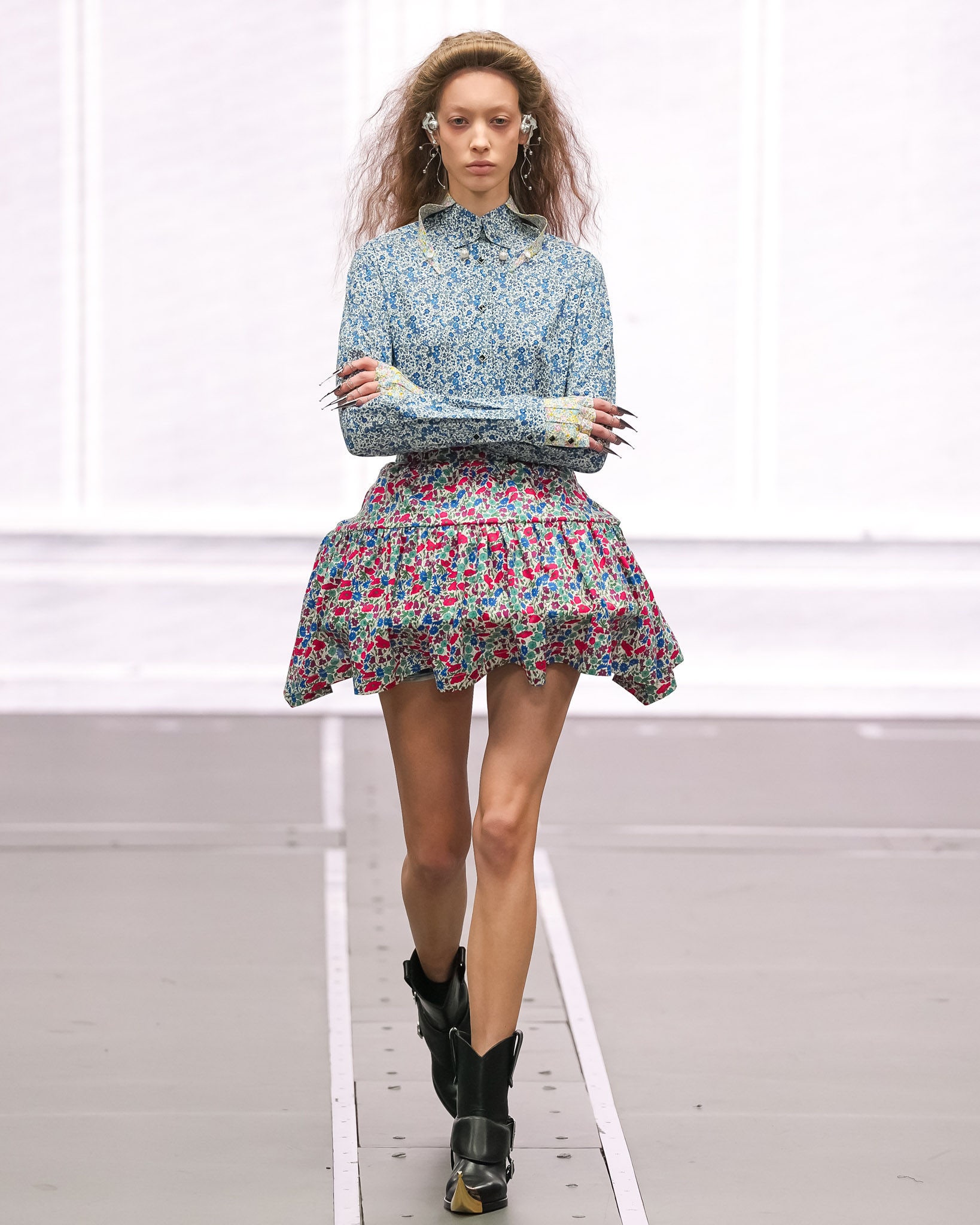 6
6
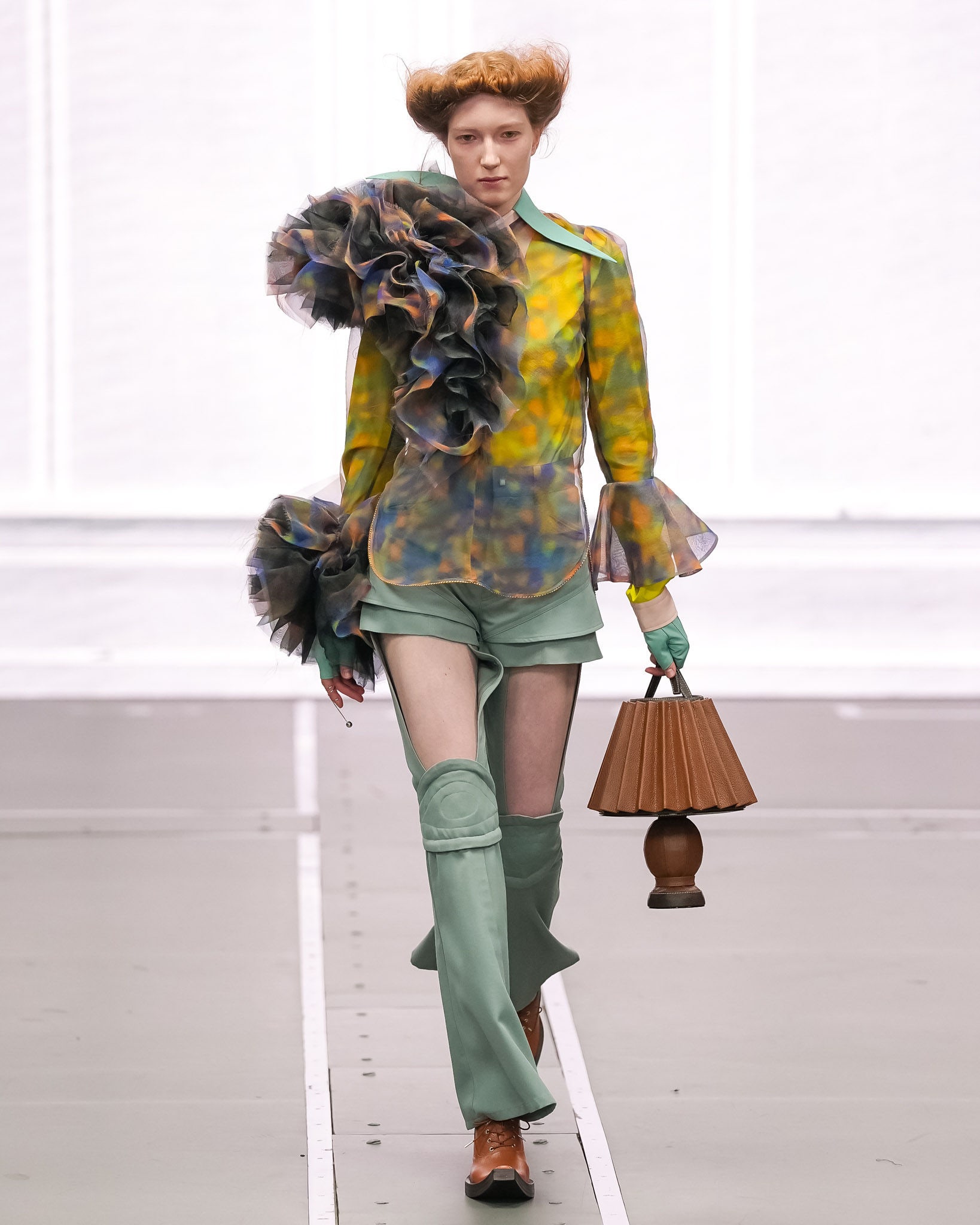 7
7
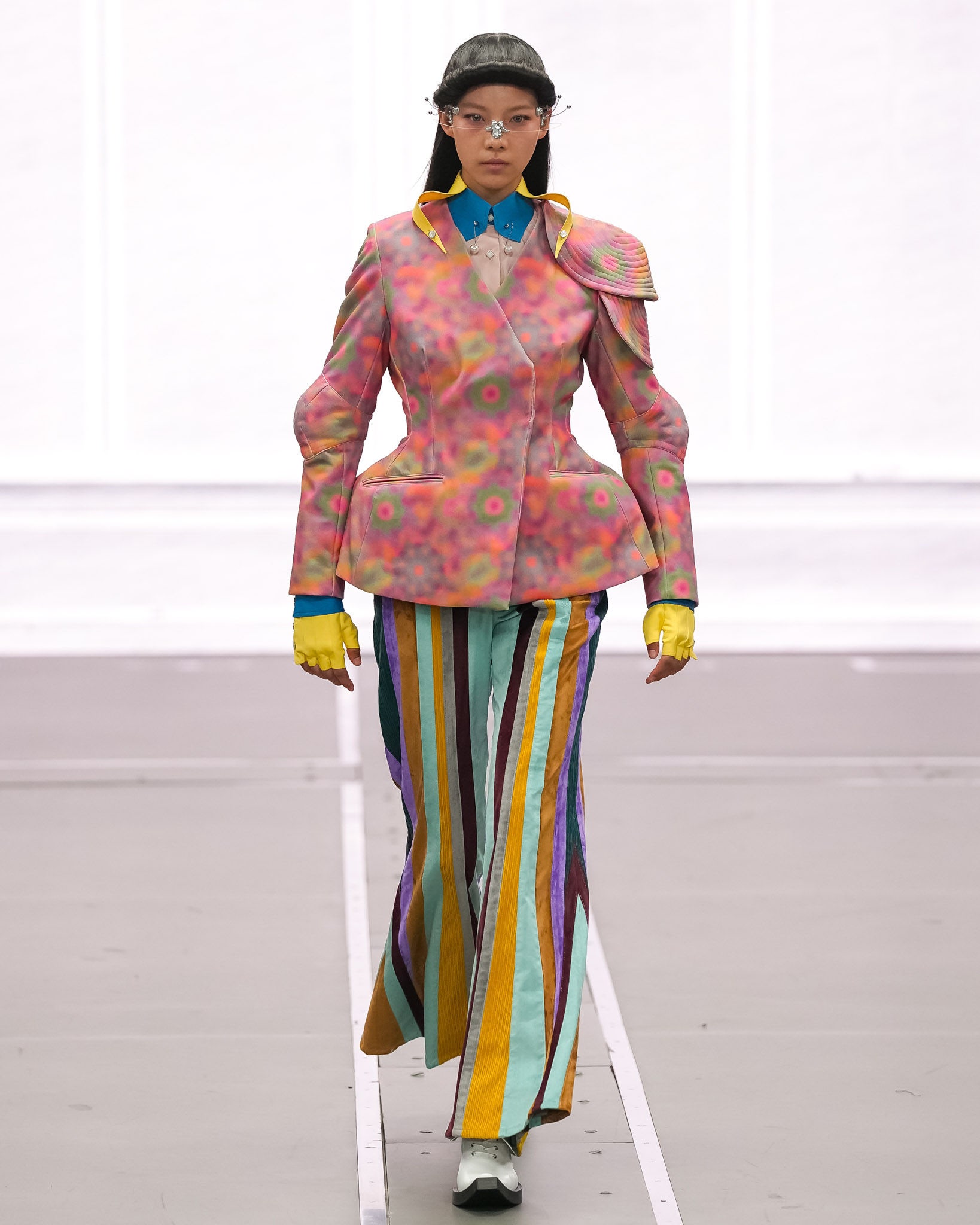 8
8
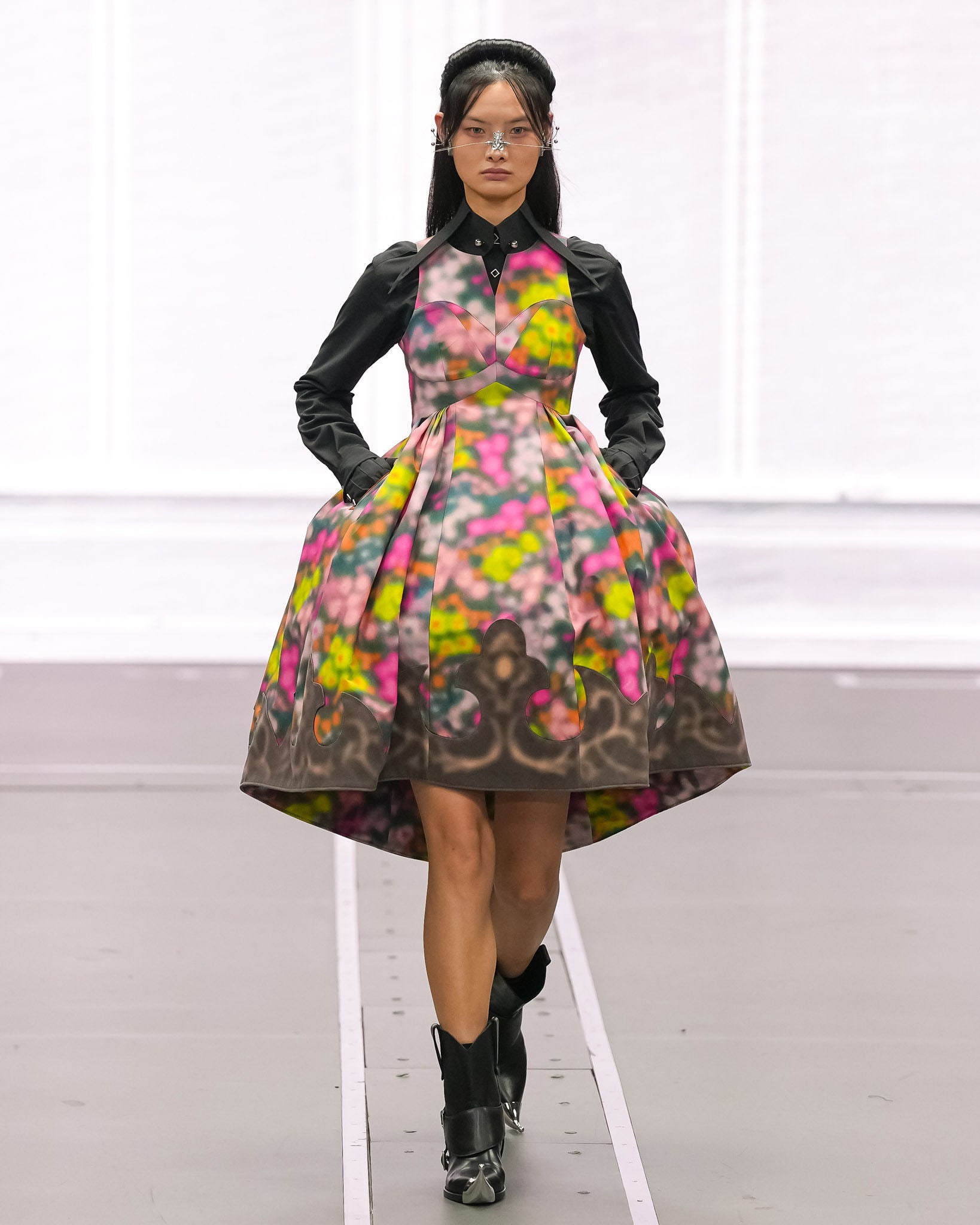 9
9
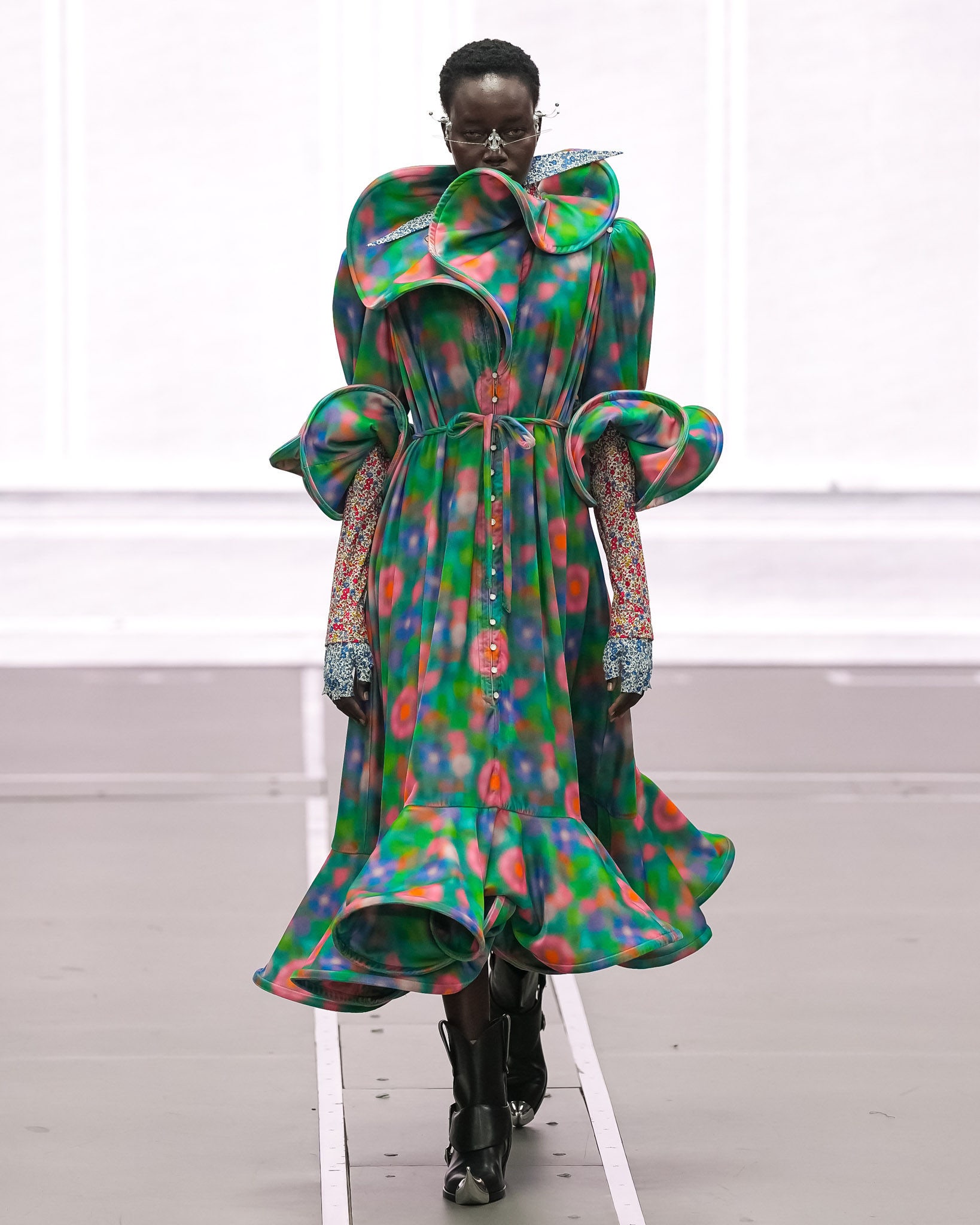 10
10
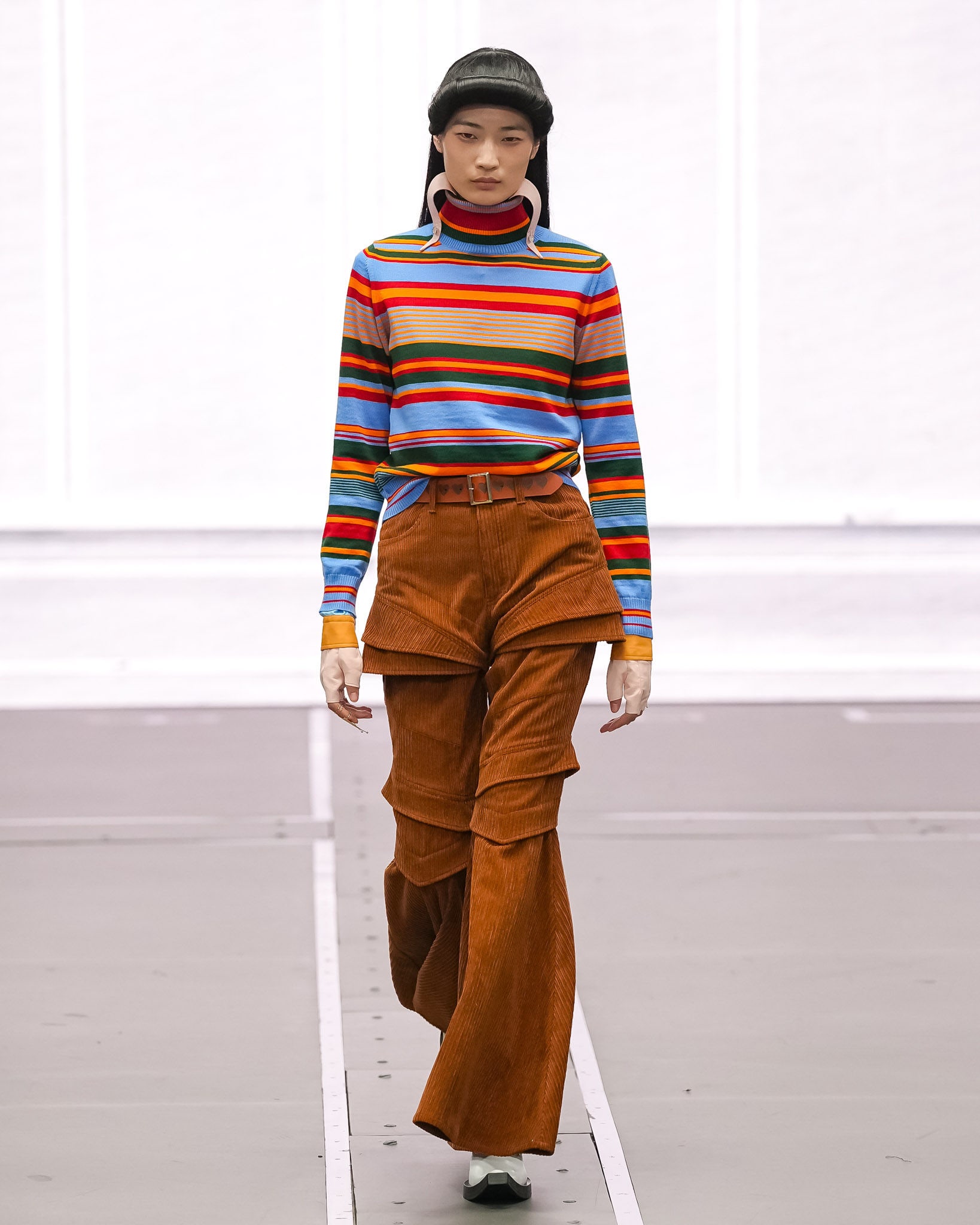 11
11
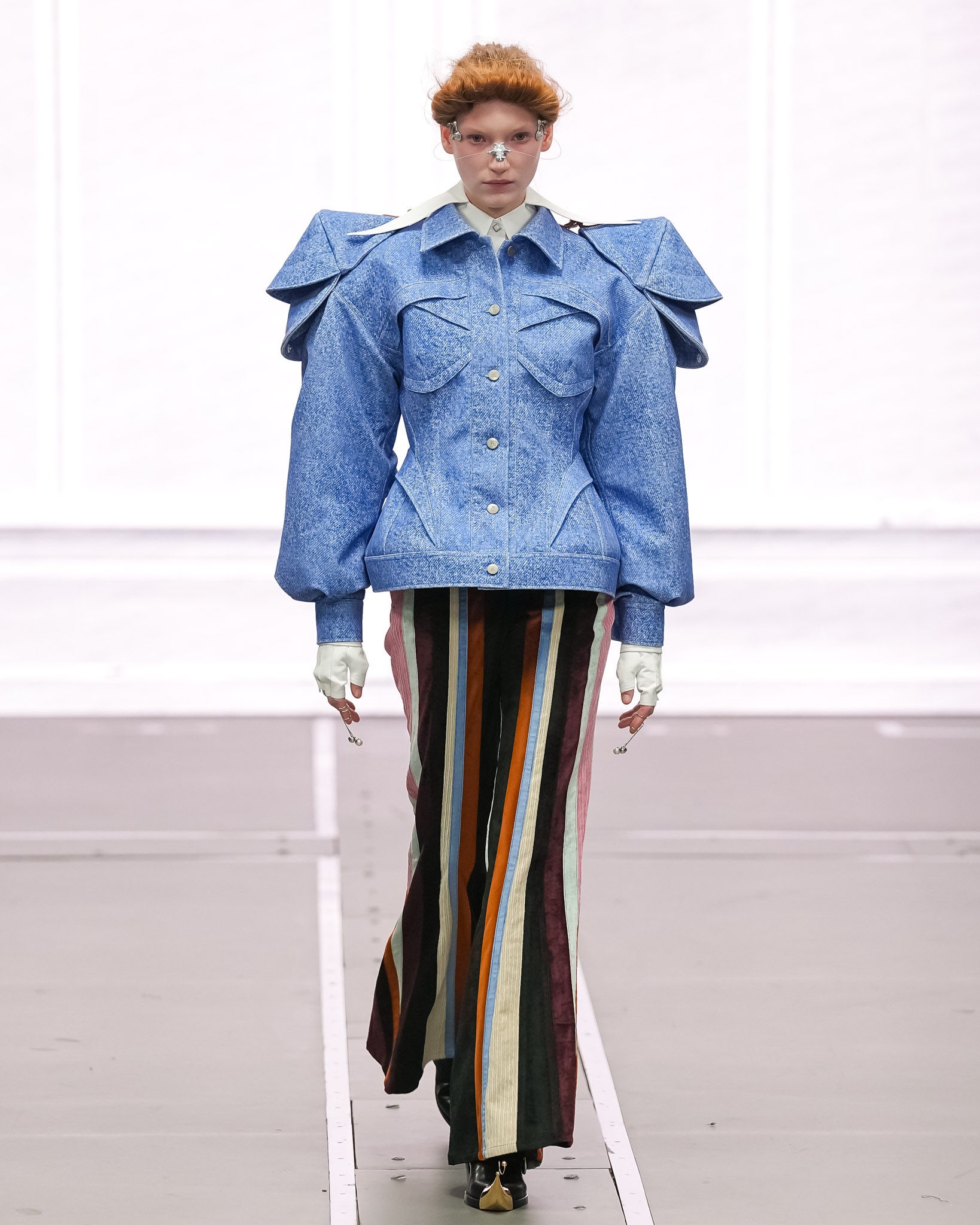 12
12
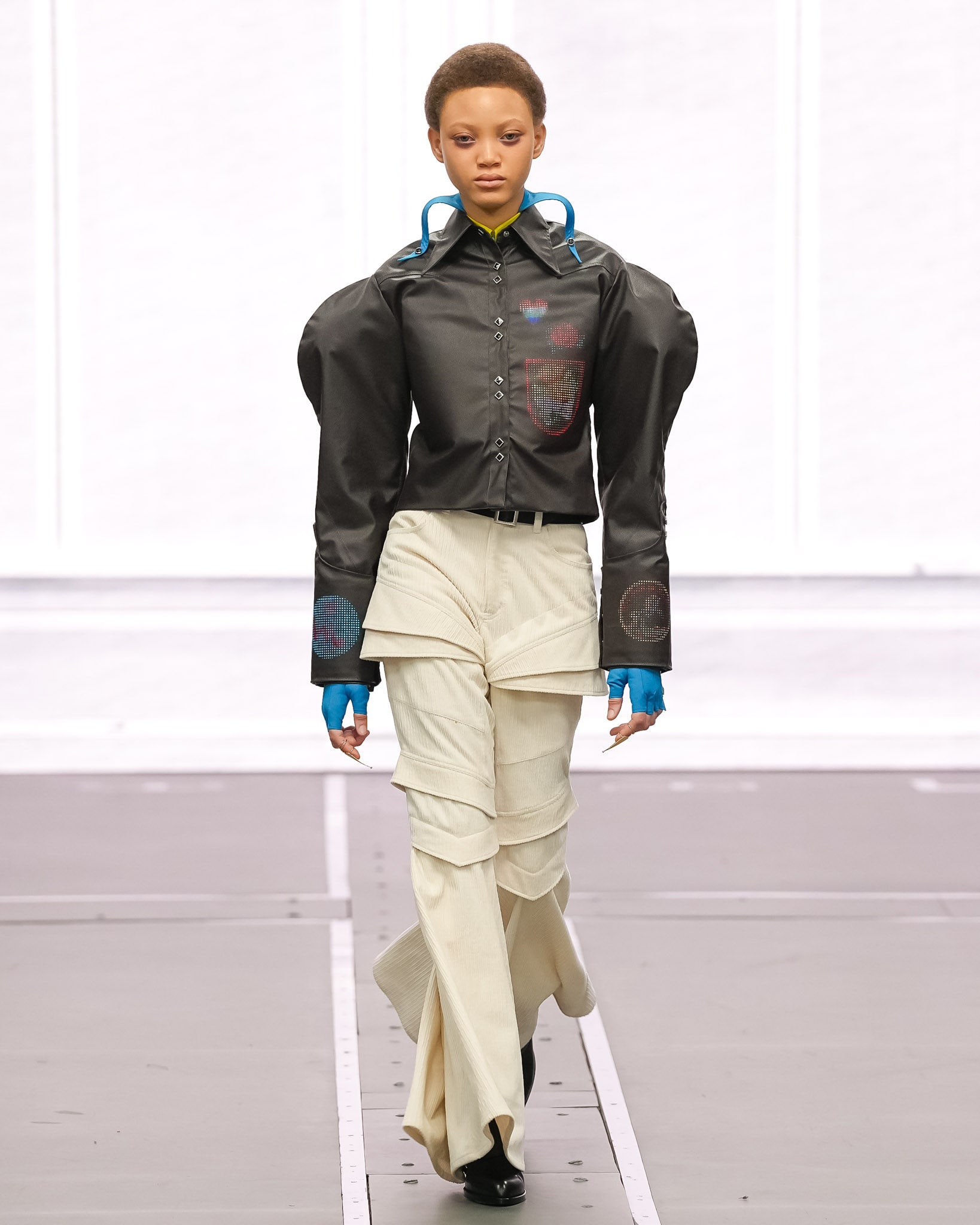 13
13
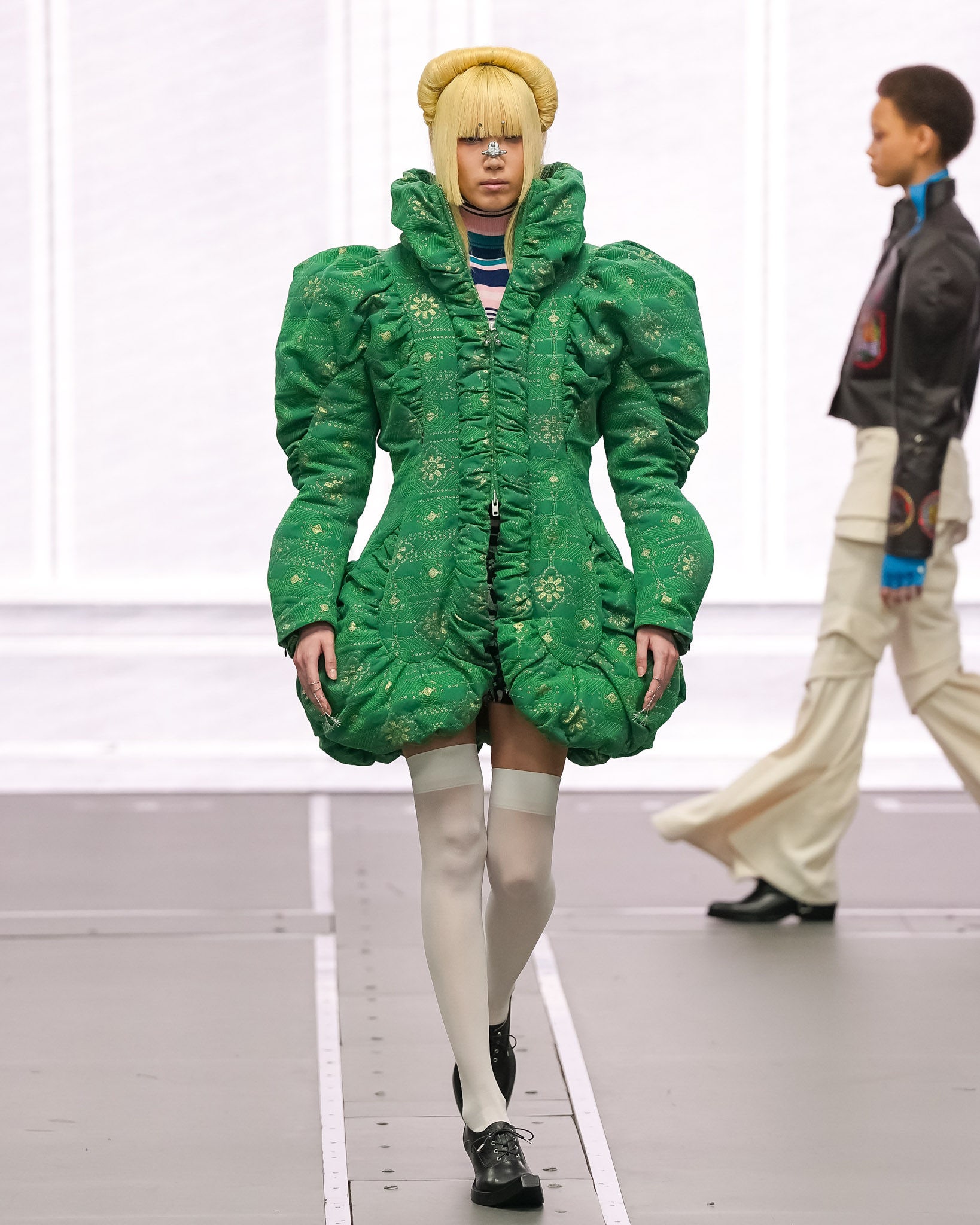 14
14
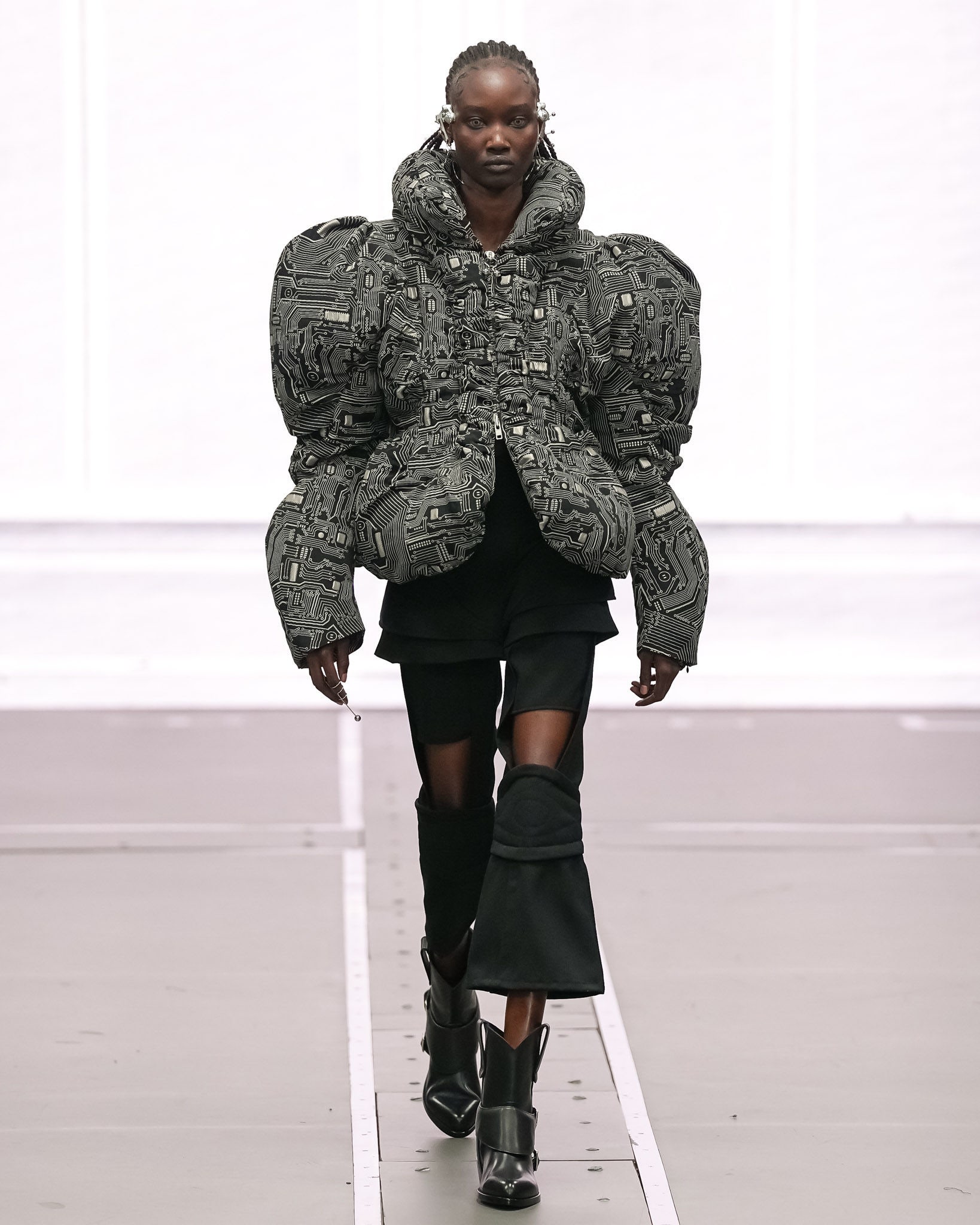 15
15
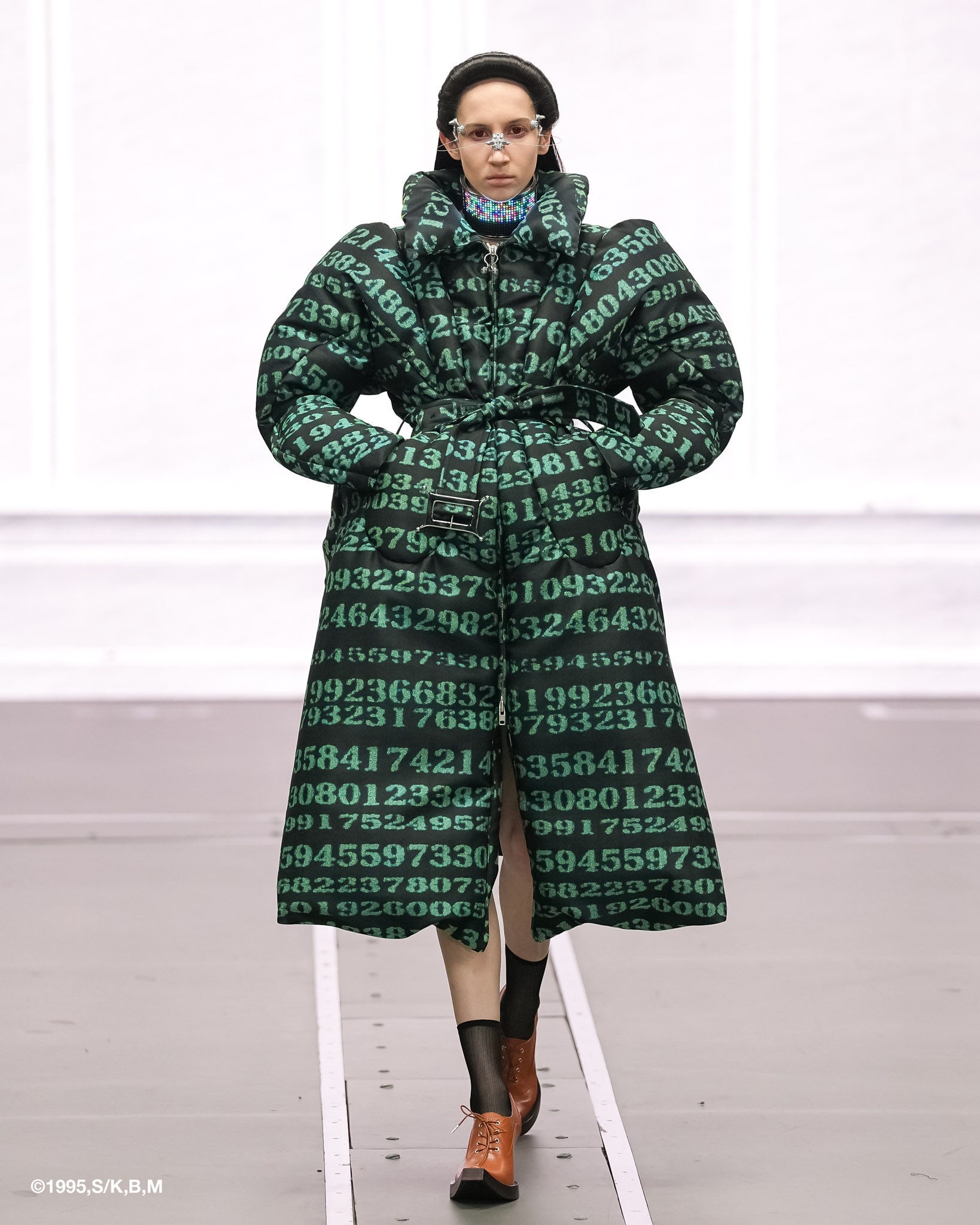 16
16
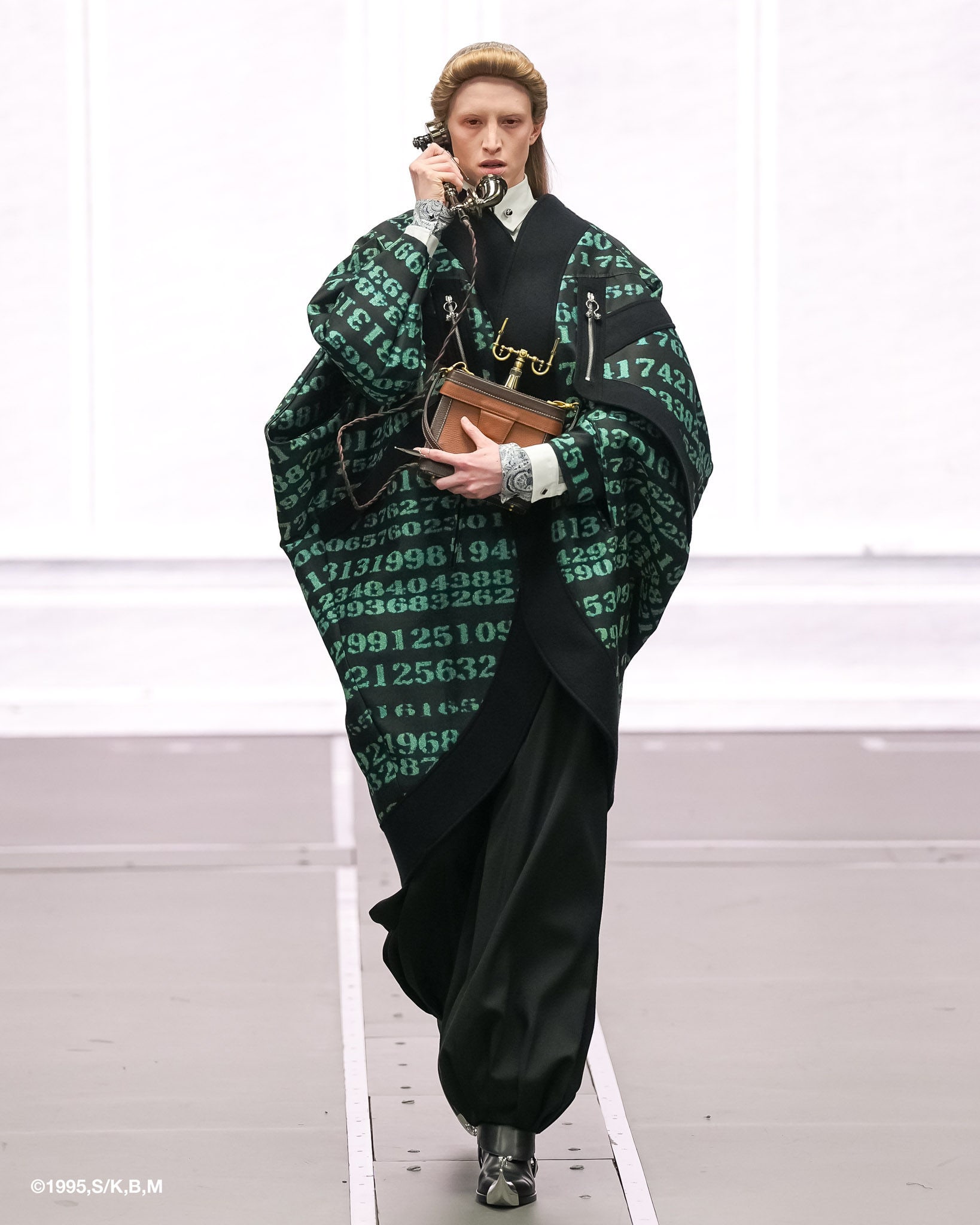 17
17
 18
18
 19
19
 20
20
 21
21
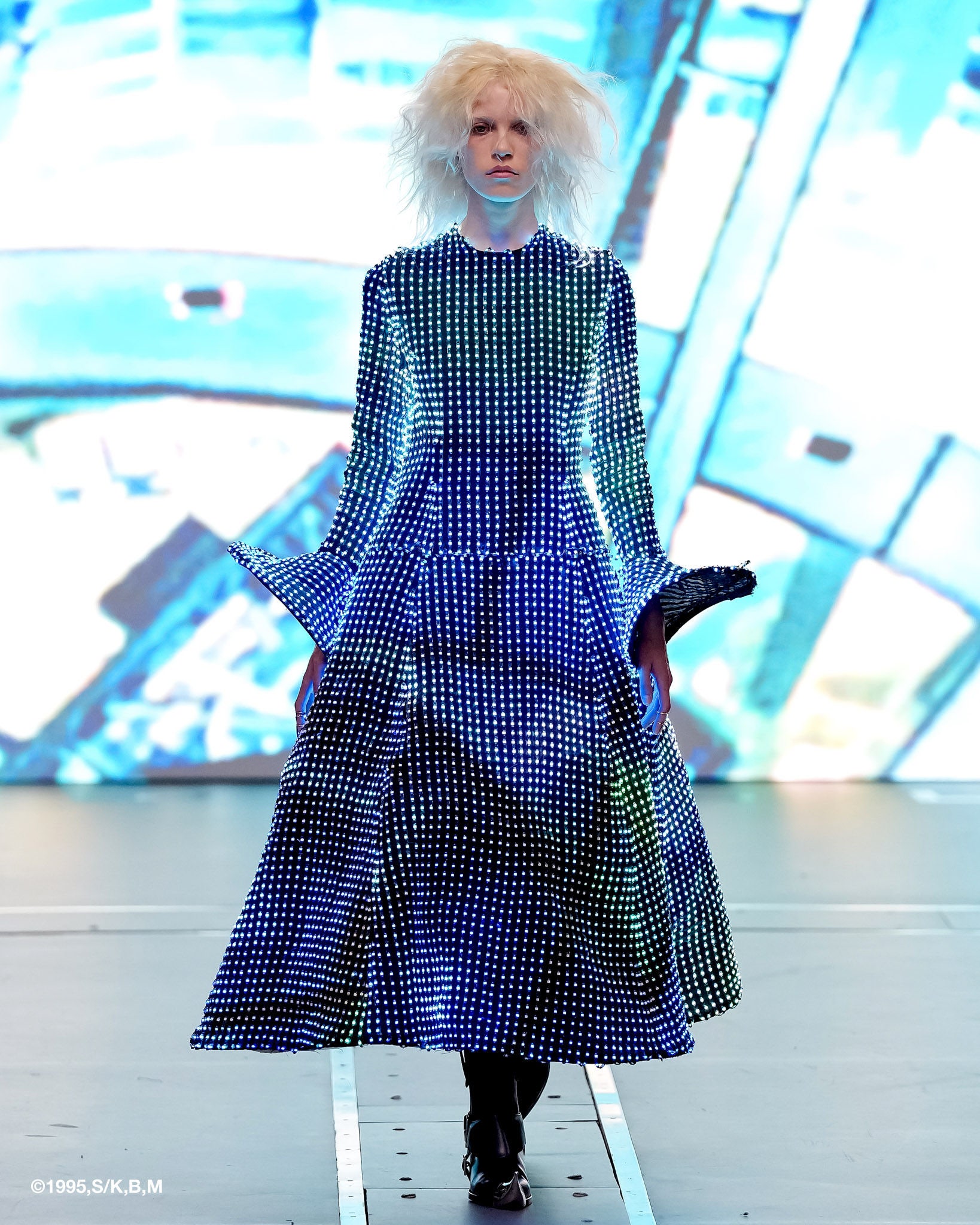 22
22
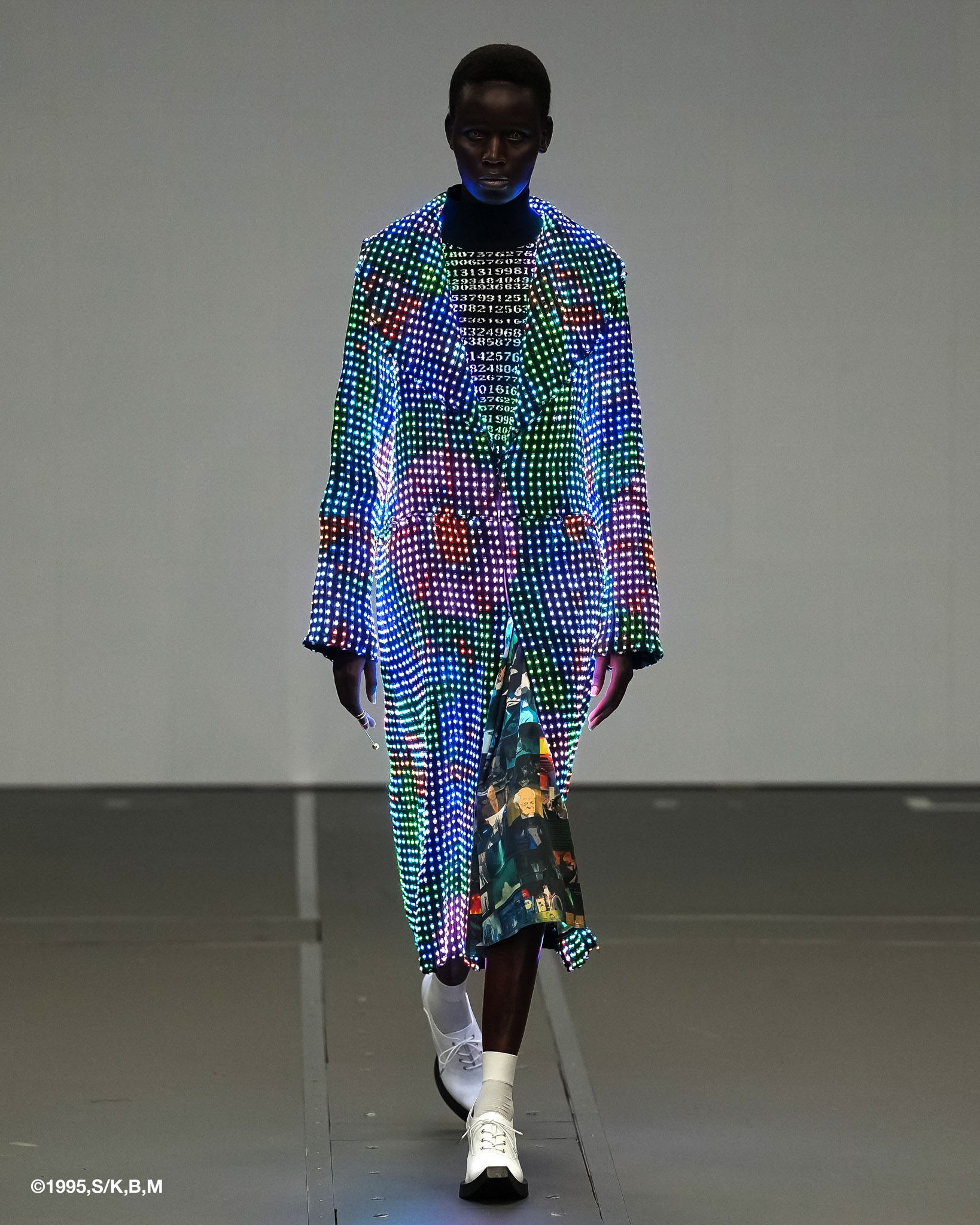 23
23
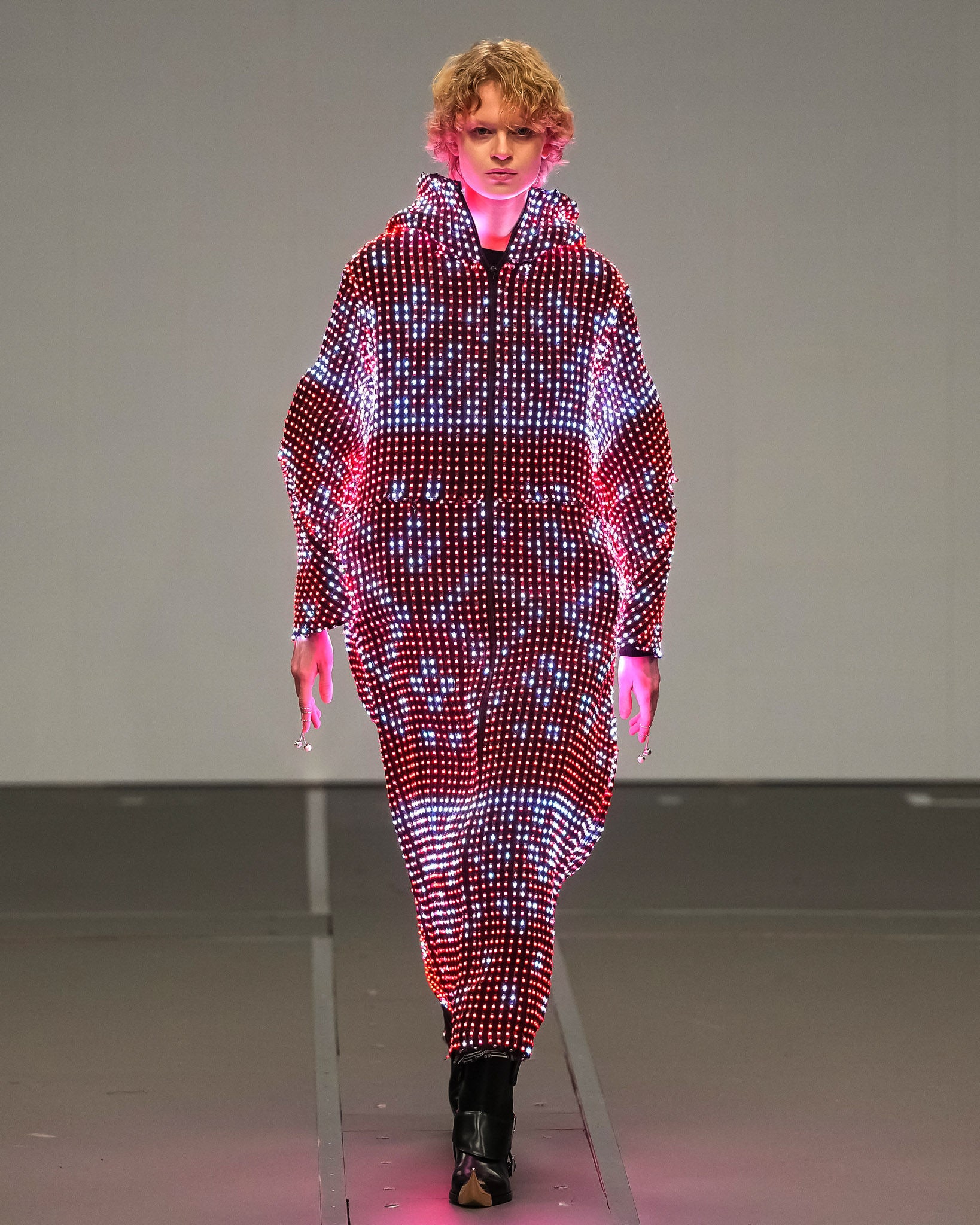 24
24
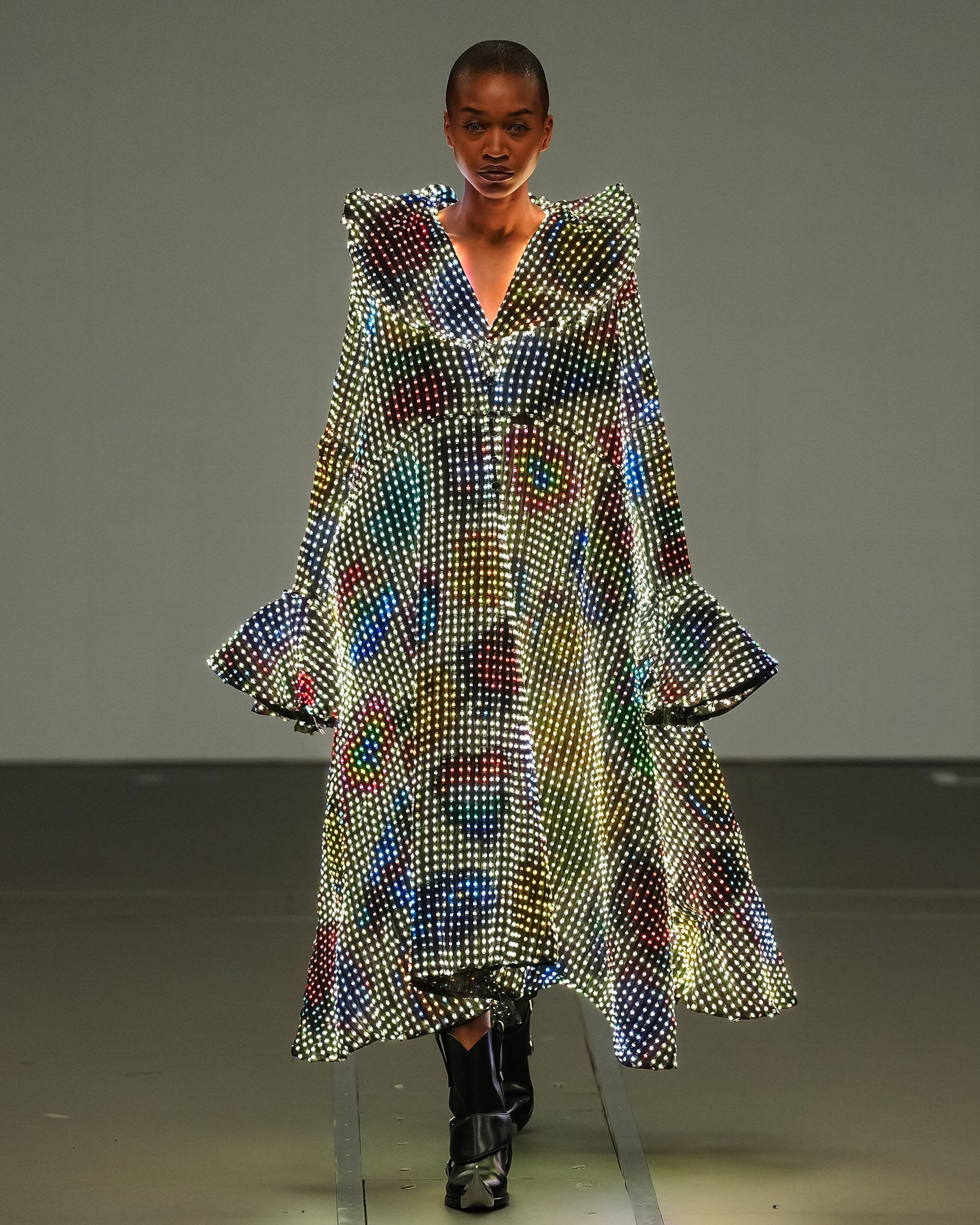 25
25
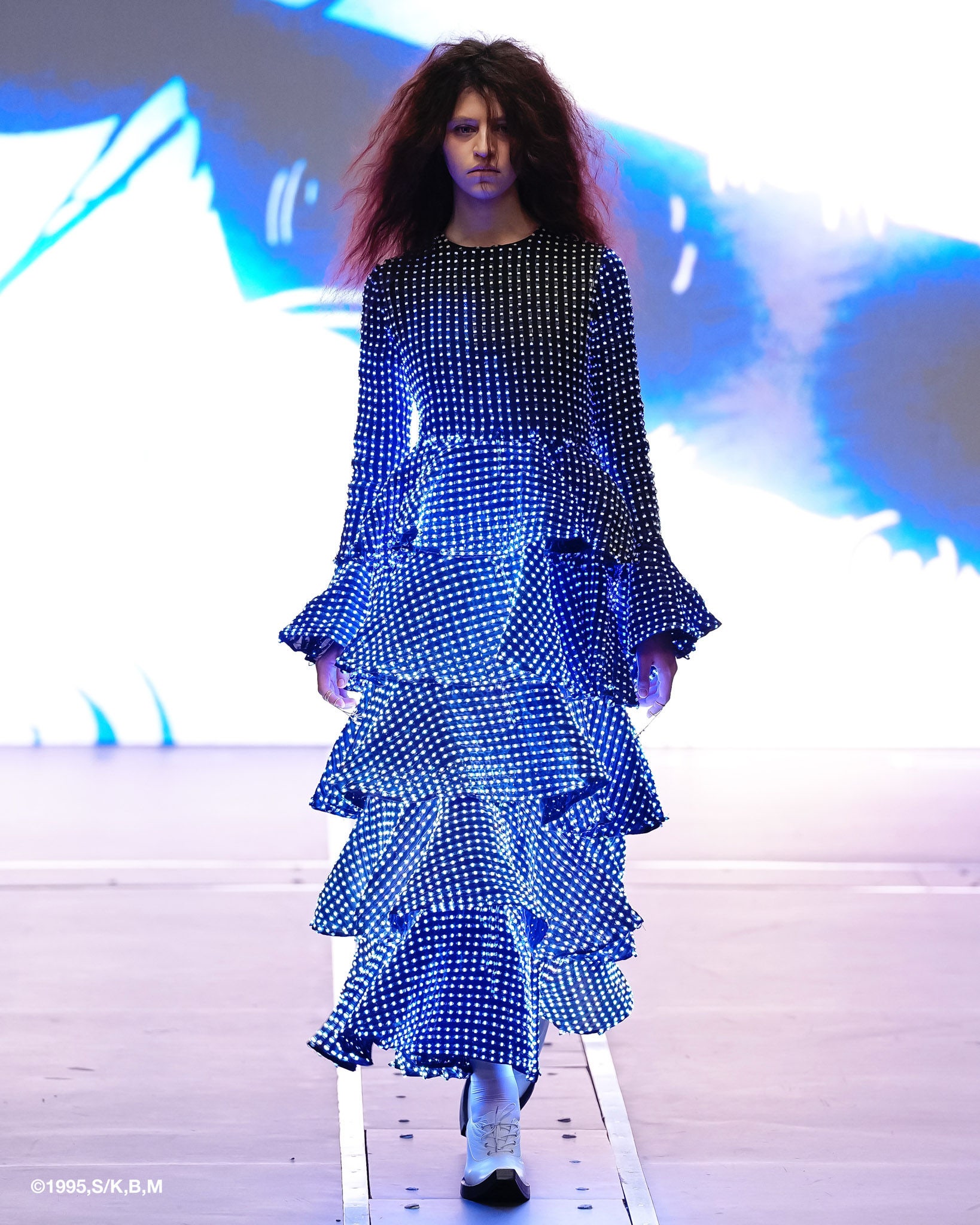 26
26
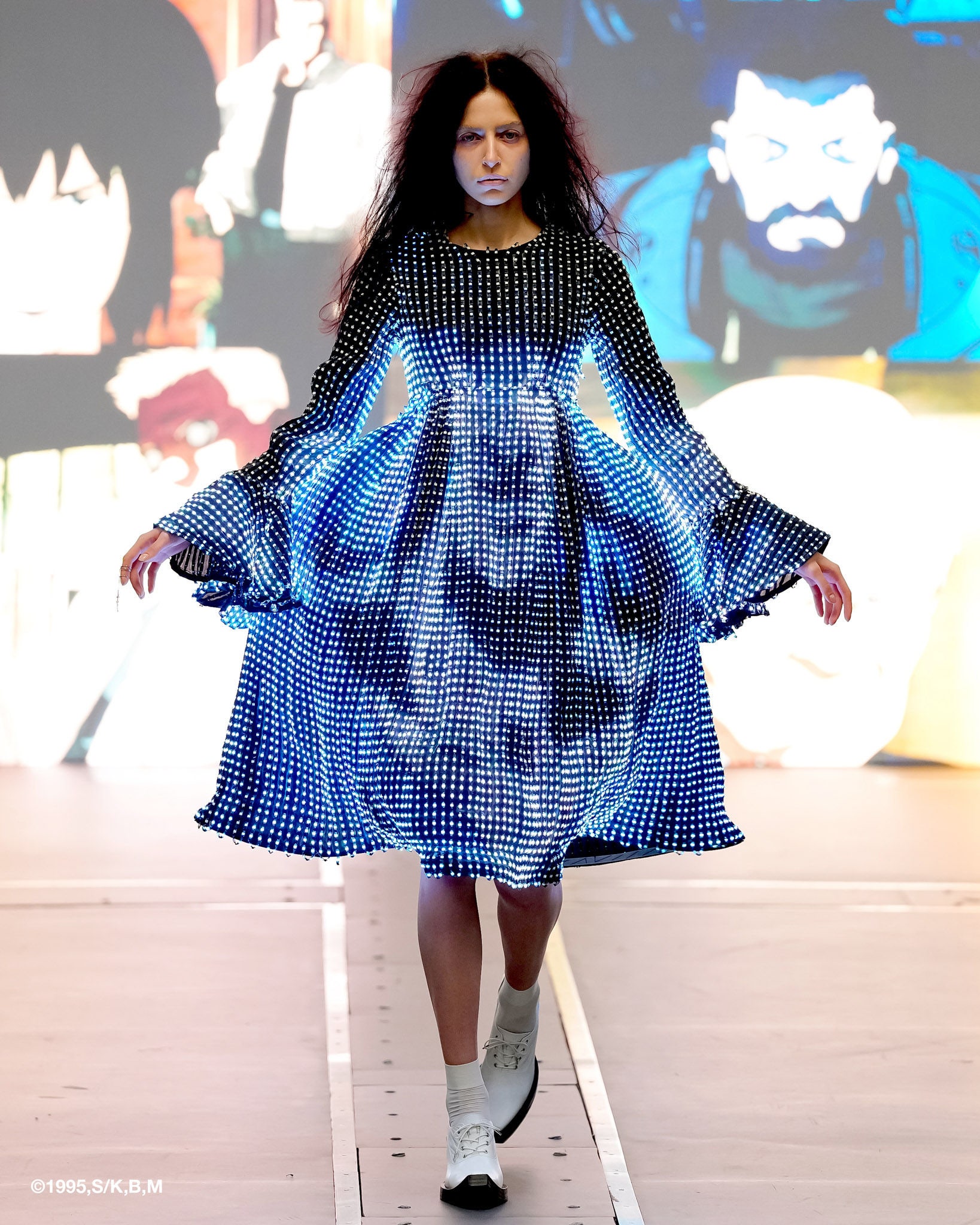 27
27
* “FOREARTH”-printed fabrics were featured in outfits No. 1, 3, 4, 6–10, 12, 13, 18–21, and 23.
Inquiries
Customers except within EU
KYOCERA Document Solutions Inc., Corporate Communication Section
Customers within EU
KYOCERA Document Solutions Europe B.V.
Kyocera Document Solutions Inc. ensures adherence to local data protection regulations. We have detected that your inquiry comes from within the EU. Therefore, due to the EU's General Data Protection Regulation, please note that your request will be forwarded to our regional headquarter: Kyocera Document Solutions Europe.
| * | This article is current, as of the date of publication. |
